
Entertainment
How many acres is a football field explained in detail


Understanding land measurements can be confusing, especially when trying to visualize size in practical terms. One of the most common comparisons people use is a football field, but many still ask the question: how many acres is a football field? This question comes up in real estate, agriculture, construction planning, and even casual conversations. A football field is a familiar reference point, yet translating it into acres requires a bit of explanation. In this article, we will break down the exact measurements, explain how acres work, and explore how football fields compare to other land sizes. By the end, you will have a clear understanding of how many acres is a football field and why this comparison is so widely used.
Understanding the Size of a Football Field
Standard Dimensions of a Football Field
A standard American football field, including the end zones, measures 360 feet in length and 160 feet in width. This results in a total area of 57,600 square feet. Without the end zones, the playing field is 300 feet long, but most official measurements include the end zones when calculating total size. When people ask how many acres is a football field, they are usually referring to the full field including end zones. These dimensions are consistent across professional, college, and most high school fields.
Converting Square Feet to Acres
To understand how many acres is a football field, you need to know how acres are calculated. One acre equals 43,560 square feet. When you divide the total area of a football field, which is 57,600 square feet, by 43,560, you get approximately 1.32 acres. This means a standard football field is about 1.32 acres in size. This conversion is essential when comparing land sizes because acres are commonly used in property and land measurement.
Why People Use Football Fields as a Measurement
A Familiar Visual Reference
Many people struggle to visualize acres because it is not something they see daily. However, almost everyone has seen a football field at some point. That is why the question how many acres is a football field is so popular. It provides a relatable way to understand large areas of land. When someone says a property is “about two football fields,” it becomes much easier to imagine.
Common Use in Real Estate and Media
In real estate listings and news reports, comparisons to football fields are frequently used. Instead of stating raw acreage, which might feel abstract, they translate it into something more relatable. Knowing how many acres is a football field allows buyers and readers to better understand the scale of land being discussed. This makes communication clearer and more effective.
Breaking Down the Acre Measurement
What Exactly Is an Acre?
An acre is a unit of area commonly used in the United States and a few other countries. It equals 43,560 square feet and can be shaped in any form, not necessarily a square. Historically, an acre was defined as the amount of land a yoke of oxen could plow in one day. Today, it is a standardized unit used in real estate, farming, and land development. Understanding this helps clarify how many acres is a football field in practical terms.
Visualizing an Acre Compared to a Football Field
When you compare one acre to a football field, you will notice that a football field is slightly larger. Since a football field is about 1.32 acres, it means one acre is roughly 75 percent of a football field. This perspective makes it easier to visualize smaller plots of land. If someone asks how many acres is a football field, you can confidently say it is a bit more than one acre.
Variations in Football Field Sizes
American Football vs Soccer Fields
While American football fields have fixed dimensions, soccer fields can vary in size. A soccer field typically ranges from 1.5 to 2 acres depending on its dimensions. This means that when comparing how many acres is a football field, you need to be specific about the type of football being referenced. In the United States, the question usually refers to American football.
High School and Practice Fields
Most high school football fields follow the same dimensions as professional fields, so the acreage remains about 1.32 acres. However, practice fields or recreational fields may vary slightly. Even with small variations, the general answer to how many acres is a football field stays close to the same value. These minor differences usually do not significantly impact comparisons.
Practical Applications of This Knowledge
Land Planning and Development
Knowing how many acres is a football field can be extremely useful when planning land use. Developers often use this comparison to estimate how many buildings, parking lots, or recreational spaces can fit on a property. It provides a quick way to visualize large areas without needing complex calculations. This is especially helpful in early planning stages.
Agriculture and Farming
Farmers also benefit from understanding how many acres is a football field. When managing crops or livestock, they often think in terms of acres. Comparing land to football fields can make it easier to estimate space requirements. For example, a farmer might say a field is equivalent to ten football fields to simplify communication.
Comparing Multiple Football Fields to Acres
Small Land Sizes
If you have a small piece of land, comparing it to a football field can help put things into perspective. For instance, half an acre is less than half a football field. Since the answer to how many acres is a football field is about 1.32, you can quickly estimate smaller plots. This makes it easier to understand residential property sizes.
Large Land Areas
For larger areas, the comparison becomes even more useful. If a piece of land is 13.2 acres, it is roughly equal to ten football fields. This kind of comparison is often used in news reports about large developments or environmental projects. Knowing how many acres is a football field helps make these numbers more relatable.
Common Misconceptions
Assuming All Fields Are Exactly One Acre
One common mistake is assuming that a football field is exactly one acre. In reality, it is slightly larger at about 1.32 acres. This misunderstanding can lead to incorrect estimates when comparing land sizes. That is why it is important to know the accurate answer to how many acres is a football field.
Ignoring End Zones in Calculations
Another misconception is excluding the end zones when calculating the size of a football field. Without the end zones, the field is smaller, which changes the acreage. Most official comparisons include the end zones, so the standard answer to how many acres is a football field remains consistent at around 1.32 acres.
Conclusion
Understanding how many acres is a football field provides a practical way to visualize land size. A standard football field, including end zones, covers about 1.32 acres or 57,600 square feet. This comparison is widely used because it turns abstract numbers into something familiar and easy to understand. Whether you are buying property, planning land use, or simply curious, knowing this conversion can be incredibly helpful. It bridges the gap between technical measurements and real-world understanding. By remembering that a football field is slightly larger than one acre, you can quickly estimate and compare land sizes with confidence.
FAQs
1. How many acres is a football field including end zones?
A standard football field including end zones is approximately 1.32 acres. This is based on a total area of 57,600 square feet.
2. How many acres is a football field without end zones?
Without end zones, a football field is about 1.1 acres. However, most comparisons include the end zones.
3. Why do people use football fields to measure land?
People use football fields because they are familiar and easy to visualize. It helps simplify large land measurements.
4. Is a soccer field the same size as a football field in acres?
No, soccer fields vary in size and are usually larger, ranging from about 1.5 to 2 acres.
5. How many football fields are in 10 acres?
Since one football field is about 1.32 acres, 10 acres is roughly equal to 7.5 football fields.

Kaliscan is a free website where readers go to read manga, manhwa, and manhua online without paying for a subscription or downloading anything. If you’ve come across the name while searching for somewhere to catch up on a series, you’re probably wondering exactly what it is, how it’s organized, and whether it’s actually worth your time. This article walks through what Kaliscan offers, how the site is laid out, and a few practical things you should know before you start browsing.
What Is Kaliscan?
At its core, Kaliscan is a manga aggregator. That means it doesn’t create the comics it hosts — instead, it gathers scanned and translated chapters of existing series from various sources and puts them in one searchable place. You open the site, find a title, and start reading a chapter in your browser. There’s no software to install, and you can browse a fair amount of content without creating an account.
The site organizes its catalog by genre, status (ongoing or completed), and popularity, and it includes an A-to-Z list for browsing titles alphabetically. It covers a wide range of formats, including Japanese manga, Korean manhwa, and Chinese manhua, spanning genres from action and romance to horror, isekai, and slice-of-life.
How Kaliscan Is Organized
One of the more practical aspects of Kaliscan is its navigation. The homepage is built around a few main sections that make it easier to find something to read:
- Latest — recently updated chapters across the catalog
- Popular — titles getting the most attention from readers
- Top (Day / Week / Month) — trending series ranked by views over different time periods
- Genres — dozens of genre tags, from common categories like comedy and fantasy to more specific ones like time travel, villainess, or monster girls
- Status filters — separate listings for ongoing versus completed series
- A-Z list — an alphabetical directory for browsing by title name
There’s also an advanced search function, plus account-based features like bookmarking, reading history, and personal lists, which let registered users keep track of what they’re following.
Key Features Worth Knowing
Free Access Without Mandatory Sign-Up
A big part of Kaliscan’s appeal is that you don’t need to register to read. You can search a title, open a chapter, and start reading immediately. An account does unlock extras — bookmarks, reading history, and notifications for new chapters — but it isn’t a requirement to use the core reading experience.
Wide Genre Coverage
Kaliscan’s genre list runs long, covering well over fifty tags. This makes it useful if you have a specific niche in mind, since you can filter by genre instead of scrolling through an unsorted catalog.
Update Frequency
Because the site pulls from multiple sources, update speed varies by series. Popular, actively scanlated titles tend to get new chapters faster, while less mainstream series may update more slowly or inconsistently. This is a common trait of aggregator sites generally, not something unique to Kaliscan.
Cross-Device Browsing
The site is built to work in a standard web browser, so it’s accessible from a phone, tablet, or desktop without needing a dedicated app.
What to Know Before You Use Kaliscan
This is the part that’s worth being honest about: Kaliscan hosts scanned and translated comics that are typically distributed without direct licensing from original publishers. Sites structured this way — sometimes called scanlation aggregators — generally operate in a legal gray area, and that’s true industry-wide, not a claim specific to Kaliscan’s standing. The site does have a published DMCA policy, which suggests it responds to takedown requests, but the broader practice of mirroring copyrighted comics for free reading is something publishers and original creators don’t license or profit from.
If you care about supporting the artists and writers behind a series, official platforms — like a publisher’s own app, Viz, Webtoon, Tapas, or licensed digital storefronts — are the way that revenue actually reaches them. Free aggregator sites generally don’t pass anything back to creators.
Beyond the copyright question, there are a few practical points to keep in mind with any free reading site like this:
- Ads and pop-ups are common on aggregator sites in general, even when a site advertises itself as ad-light, so using a browser with a pop-up blocker is a reasonable precaution.
- Account security matters if you sign up — use a unique password rather than reusing one from another account.
- Availability can change. Sites like this sometimes shift domains or go offline temporarily, since they don’t operate with the same stability as licensed publishing platforms.
Is Kaliscan Worth Using?
If your priority is reading manga, manhwa, or manhua quickly and without paying, Kaliscan’s structure — genre filters, trending lists, and a large catalog — does make casual browsing straightforward. The trade-off is the one described above: it’s not an officially licensed source, so the comics you’re reading aren’t generating royalties for the people who made them.
A reasonable middle ground many readers land on is using a site like Kaliscan to discover new series, then switching to an official release — whether that’s a licensed digital app, a print volume, or a publisher’s own simulcast platform — once they know they actually want to follow that story long-term. That way, curiosity doesn’t come at the cost of creators going uncompensated for a series you end up loving.
Conclusion
Kaliscan is, in practical terms, a free manga aggregator site: searchable by genre, status, and popularity, with a layout aimed at quick, no-friction reading. It works well for browsing and discovering new series, and the lack of a mandatory sign-up keeps the barrier to entry low. At the same time, it’s built on scanlated content that sits outside official licensing, which is worth weighing if creator support matters to you. Whether you treat Kaliscan as a discovery tool or a regular reading habit, going in with a clear picture of how the site works — and what it doesn’t pay forward to the people who make the comics — is the most useful way to use it.
Frequently Asked Questions
1. Is Kaliscan free to use?
Yes. You can search for titles and read chapters without paying, and a full account isn’t required for basic reading, though registering unlocks bookmarks and reading history.
2. Do I need to create an account on Kaliscan?
No, an account isn’t mandatory to read. It’s only needed if you want extra features like saving bookmarks, tracking reading history, or getting update notifications.
3. Is Kaliscan legal?
Kaliscan hosts scanned and translated comics that are generally distributed without direct publisher licensing, which places it in a legal gray area common to scanlation aggregator sites. It does have a posted DMCA policy for takedown requests, but using official, licensed sources is the only way to ensure creators are compensated.
4. How often does Kaliscan update with new chapters?
Update frequency depends on the series. Popular titles with active scanlation groups tend to get new chapters faster, while less mainstream series can update more slowly or irregularly.
5. Can I read Kaliscan on my phone?
Yes. The site runs in a standard web browser, so it works on phones, tablets, and desktop computers without needing a separate app.
Introduction: Understanding the Rise of Cricfooty
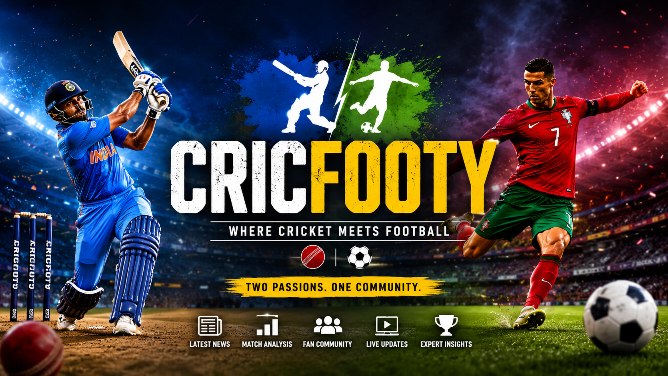
The modern sports landscape is evolving faster than ever. Fans no longer limit themselves to a single sport or league. Instead, they consume a wide range of sporting content across multiple platforms. This shift has given rise to a fascinating concept known as Cricfooty, a term that combines the worlds of cricket and football into one engaging ecosystem.
Whether it’s following a cricket series in the morning and a football match at night, or participating in discussions about both sports on the same platform, fans increasingly seek a unified experience. Cricfooty represents this convergence. It embodies the passion, excitement, analysis, and community engagement surrounding two of the world’s most popular sports.
Over the past decade, digital transformation has changed how supporters interact with sports. Mobile applications, social media platforms, fantasy leagues, and online communities have blurred traditional boundaries. As a result, Cricfooty has emerged as a unique phenomenon that caters to multi-sport audiences looking for comprehensive coverage and interactive experiences.
This article explores the origins, significance, benefits, challenges, and future potential of Cricfooty while examining why it has become an influential force in global sports culture.
The Evolution of Sports Consumption
Sports fandom once followed a predictable pattern. Fans supported local teams, watched scheduled broadcasts, and relied on newspapers for updates. Today, technology has completely transformed that experience.
Streaming services, real-time notifications, and social media have created an always-connected environment. Supporters can access highlights, statistics, expert commentary, and fan discussions within seconds. The result is a more dynamic and immersive sports ecosystem.
The rise of smartphones has further accelerated this trend. Fans now carry entire sports networks in their pockets. They can switch from a cricket match to a football game instantly, making multi-sport engagement easier than ever before.
This shift laid the foundation for the emergence of Cricfooty. Instead of treating cricket and football as separate worlds, digital platforms began recognizing the overlap between their audiences and creating content that appeals to both groups simultaneously.
Why Multi-Sport Fans Are Increasing
Globalization has significantly expanded access to international sporting events. A cricket enthusiast in India can follow European football leagues, while a football supporter in England may develop an interest in international cricket tournaments.
Social media recommendations also play a major role. Algorithms introduce users to new sports content based on their interests and viewing habits. Over time, fans naturally broaden their horizons and become invested in multiple sports.
The younger generation particularly embraces this trend. They value variety, instant access, and engaging content. Rather than limiting themselves to a single sport, they actively explore different competitions, players, and communities.
As a result, the demand for platforms and content that combine cricket and football coverage continues to grow, reinforcing the relevance of Cricfooty in today’s sports landscape.
What Makes Cricfooty Unique?
At its core, Cricfooty is more than a simple combination of cricket and football. It represents a new way of experiencing sports culture.
Traditional sports media often focuses on a single sport. Cricfooty takes a broader approach by acknowledging that modern fans have diverse interests. It creates opportunities for cross-sport engagement, allowing supporters to enjoy content that spans multiple disciplines.
This approach fosters stronger communities. Fans who share a passion for both cricket and football can connect through discussions, predictions, analyses, and social interactions. The result is a more inclusive and vibrant environment.
Another unique aspect is content diversity. A Cricfooty platform may feature player interviews, tactical breakdowns, statistical comparisons, transfer news, tournament updates, and fan-generated content from both sports.
The Shared Emotional Connection
Although cricket and football differ in rules and structure, they share a powerful emotional appeal. Both sports inspire loyalty, excitement, heartbreak, and celebration.
Consider a football supporter watching their team score a dramatic stoppage-time winner. Now compare that to a cricket fan witnessing a last-ball six in a high-pressure chase. The emotions are remarkably similar.
Cricfooty taps into these shared experiences. It highlights the universal nature of sports fandom and creates a common ground where supporters from different backgrounds can connect.
This emotional bridge strengthens engagement and helps explain why mixed-sport communities continue to thrive online.
The Role of Digital Media in Cricfooty Growth
Digital media has become the driving force behind the expansion of Cricfooty. Without online platforms, the concept would likely remain limited in scope and reach.
Social media networks enable instant communication among fans worldwide. Trending hashtags, viral clips, and live discussions bring cricket and football audiences together in real time.
Content creators also contribute significantly. Many influencers produce analysis, reaction videos, podcasts, and educational content covering both sports. Their audiences appreciate having a single source for diverse sports information.
Streaming services have further enhanced accessibility. Fans no longer depend on regional broadcasters. Instead, they can follow leagues and tournaments from different continents with ease.
Community Building Through Online Platforms
One of the most compelling aspects of digital sports culture is community formation. Online forums, social media groups, and discussion platforms create spaces where fans can share opinions and insights.
Imagine a virtual sports café where cricket and football enthusiasts gather daily. They debate tactics, predict outcomes, celebrate victories, and discuss controversies. That environment perfectly captures the essence of Cricfooty.
These communities foster belonging and encourage deeper engagement. Fans become active participants rather than passive consumers, strengthening the overall sports experience.
Cricket and Football: Comparing Global Influence
Cricket and football are among the most influential sports on the planet, each commanding enormous audiences and cultural significance.
Football enjoys widespread popularity across Europe, South America, Africa, and many parts of Asia. Major tournaments attract billions of viewers and generate unprecedented levels of excitement.
Cricket dominates regions such as South Asia, Australia, England, and parts of Africa. Events like international championships and premier leagues consistently draw massive audiences.
The convergence of these two sporting giants creates tremendous opportunities. By combining their reach, Cricfooty appeals to a broader demographic than either sport could achieve independently.
Similarities Between the Two Sports
Both cricket and football thrive on storytelling. Fans follow player journeys, team rivalries, underdog victories, and historic moments.
Statistics also play a crucial role. Football supporters analyze goals, assists, and possession metrics. Cricket enthusiasts examine strike rates, averages, and bowling figures. This analytical culture creates a natural overlap between audiences.
Furthermore, both sports generate intense national pride during international competitions. Whether supporting a football team in a world tournament or cheering during a cricket championship, fans experience a strong sense of identity and belonging.
These similarities make the Cricfooty concept both logical and appealing.
The Impact of Fantasy Sports on Cricfooty
Fantasy sports have revolutionized fan engagement across multiple disciplines. Participants create virtual teams, compete with friends, and test their strategic knowledge.
Cricket fantasy leagues and football fantasy competitions have attracted millions of users worldwide. Many fans actively participate in both, further reinforcing the crossover between audiences.
Fantasy platforms encourage deeper involvement. Users monitor player performance, analyze statistics, and stay updated on news developments. This increased engagement benefits the broader sports ecosystem.
For Cricfooty communities, fantasy sports serve as a powerful connector. They create shared experiences that transcend individual sports and encourage ongoing participation.
Data-Driven Fan Engagement
Modern sports fans increasingly rely on data. Advanced analytics, predictive models, and performance metrics shape discussions and influence opinions.
Fantasy sports amplify this trend by rewarding informed decision-making. Participants become more knowledgeable about teams, tactics, and player performance.
Consequently, Cricfooty platforms often emphasize analytical content. Detailed breakdowns, statistical insights, and predictive analysis attract highly engaged audiences seeking a deeper understanding of both sports.
Business Opportunities in the Cricfooty Ecosystem
The growth of multi-sport audiences has opened new opportunities for businesses, advertisers, and content creators.
Brands recognize the value of reaching fans interested in multiple sports. A unified audience provides broader exposure and more efficient marketing opportunities.
Media organizations also benefit. By covering cricket and football together, they can attract larger audiences and increase engagement across different content categories.
Merchandise sales, sponsorship deals, streaming subscriptions, and advertising revenue all contribute to the economic potential of the Cricfooty model.
Content Monetization Strategies
Successful sports platforms employ various monetization methods. Premium memberships, sponsored content, exclusive interviews, and subscription-based analysis are common approaches.
For example, a platform might offer free news updates while reserving advanced tactical analysis for paying subscribers. This strategy generates revenue while maintaining accessibility.
As audience demand continues to grow, monetization opportunities within the Cricfooty ecosystem are likely to expand significantly.
Challenges Facing the Cricfooty Movement
Despite its advantages, Cricfooty faces several challenges that require careful consideration.
One major challenge involves balancing content coverage. Cricket and football have distinct fan bases with different expectations. Platforms must ensure neither audience feels neglected.
Another issue is content saturation. The internet already contains vast amounts of sports information. Standing out requires originality, quality, and consistent value.
Competition also remains intense. Established sports networks possess significant resources and brand recognition. Emerging platforms must differentiate themselves through innovation and community engagement.
Maintaining Authenticity
Authenticity is essential in sports media. Fans quickly recognize superficial content and often prefer creators who demonstrate genuine passion and expertise.
Successful Cricfooty initiatives prioritize accuracy, transparency, and meaningful engagement. They focus on building trust rather than chasing short-term trends.
Maintaining this authenticity will remain crucial as the ecosystem continues to evolve.
The Future of Cricfooty
The future appears exceptionally promising for Cricfooty. Several trends suggest continued growth and increased relevance.
Artificial intelligence will likely enhance personalization, delivering tailored content based on individual preferences. Fans may receive customized updates covering both cricket and football without searching multiple sources.
Virtual reality and augmented reality could create immersive viewing experiences. Supporters may interact with live matches, statistics, and fellow fans in entirely new ways.
Cross-platform integration will also become more sophisticated. Seamless experiences across mobile apps, websites, streaming services, and social media channels will strengthen user engagement.
Emerging Trends to Watch
Several developments deserve close attention in the coming years:
- Increased integration of AI-driven sports analysis.
- Expansion of interactive fan communities and virtual experiences.
These innovations will further blur traditional boundaries between sports, creating new opportunities for engagement and growth.
As technology advances, Cricfooty is positioned to become an increasingly influential part of the global sports landscape.
Why Cricfooty Matters to Modern Sports Fans
Sports are ultimately about connection. They bring people together, inspire emotions, and create unforgettable memories.
Cricfooty reflects the changing nature of modern fandom. It acknowledges that today’s supporters are curious, connected, and interested in multiple sports experiences.
Rather than forcing fans to choose between cricket and football, it celebrates their shared passion for competition, skill, and entertainment. This inclusive approach resonates strongly with contemporary audiences.
The concept also encourages broader perspectives. Fans gain exposure to new ideas, cultures, and sporting traditions, enriching their overall appreciation of athletics.
Conclusion
Cricfooty represents far more than a simple combination of cricket and football. It symbolizes the evolution of sports consumption in a digitally connected world. As fans increasingly embrace multiple sports, the demand for integrated content, communities, and experiences continues to grow.
Through digital media, fantasy sports, analytics, and online communities, Cricfooty has created a unique ecosystem that appeals to modern audiences. It bridges cultural divides, strengthens fan engagement, and unlocks new opportunities for businesses and content creators alike.
While challenges such as competition, content balance, and authenticity remain important considerations, the future outlook remains highly positive. Advances in technology, personalization, and immersive experiences will likely accelerate growth even further.
For sports enthusiasts, the key takeaway is simple: embrace the broader sports landscape. Explore new competitions, engage with diverse communities, and take advantage of platforms that offer comprehensive coverage. In doing so, you’ll experience the true value of Cricfooty—a dynamic fusion of passion, connection, and sporting excellence.
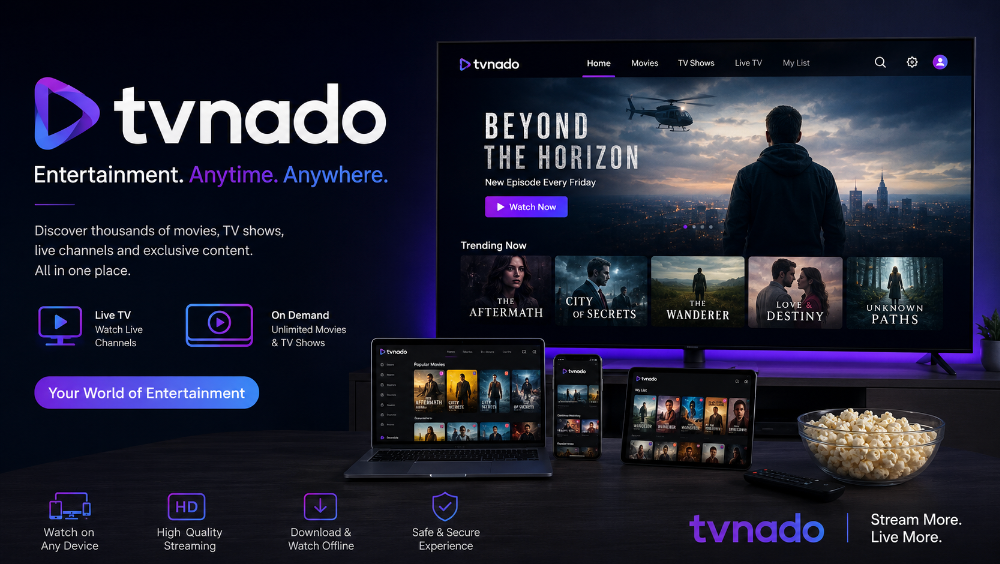
The digital entertainment landscape changes rapidly. New platforms, technologies, and content ecosystems emerge every year, reshaping how audiences consume information and entertainment. Among the names gaining attention online is tvnado, a term that has sparked curiosity among users looking for modern entertainment experiences.
As audiences move away from traditional television and embrace flexible, on-demand viewing, platforms associated with innovative digital content delivery continue to gain momentum. tvnado has become part of this conversation, attracting interest from users who want convenience, accessibility, and diverse content options.
This comprehensive guide explores what tvnado represents, why it has become increasingly discussed, and how it fits into the broader digital entertainment environment. Whether you’re a casual viewer, technology enthusiast, or digital media observer, understanding the significance of tvnado provides valuable insight into current entertainment trends.
Understanding Tvnado and Its Digital Presence
The rise of digital media has transformed audience expectations. Viewers no longer want to be tied to rigid schedules or limited content selections. Instead, they seek flexibility, personalization, and instant access to their favorite programs.
Within this evolving ecosystem, tvnado has emerged as a notable term that many internet users encounter while exploring streaming and entertainment-related content. Its growing visibility reflects broader changes in how people discover, access, and engage with media.
Modern audiences prioritize convenience above almost everything else. They expect seamless experiences across smartphones, tablets, laptops, and smart TVs. This shift has created opportunities for digital platforms and entertainment hubs to attract highly engaged viewers.
As a result, tvnado has become increasingly relevant in discussions surrounding online entertainment and digital content accessibility.
The Evolution of Digital Entertainment
To understand the growing interest in tvnado, it’s important to examine the larger transformation occurring within the entertainment industry.
From Traditional Broadcasting to On-Demand Viewing
For decades, television programming followed a predictable pattern. Viewers had to watch content at specific times or risk missing their favorite shows.
The internet completely changed this model. Streaming services introduced on-demand access, allowing audiences to watch what they wanted, when they wanted. This convenience fundamentally altered viewing habits.
Imagine visiting a library that only opens one shelf at a time. Traditional broadcasting worked similarly. Modern digital platforms, however, provide access to an entire catalog instantly. This freedom is one of the key reasons consumers increasingly favor online content ecosystems.
Tvnado benefits from this broader industry movement toward viewer-centered experiences.
The Rise of Mobile Entertainment
Smartphones have become primary entertainment devices for millions of people worldwide.
A commuter watching a show on a train, a student catching up on content between classes, or a professional relaxing during a lunch break all represent the modern media consumer. Entertainment is no longer confined to the living room.
Mobile accessibility has become a critical factor in the success of digital platforms. Services that adapt effectively to mobile viewing habits often gain greater audience engagement and retention.
The increasing interest in tvnado aligns with this mobile-first approach that dominates contemporary entertainment consumption.
Personalized Content Experiences
Today’s viewers expect recommendations tailored to their interests.
Artificial intelligence and machine learning now analyze viewing behavior, helping platforms suggest relevant content. This personalization creates a more engaging experience while reducing the effort required to discover new entertainment.
When users receive recommendations that match their preferences, satisfaction typically increases. Consequently, platforms that emphasize personalization often experience stronger audience loyalty.
This trend contributes to the broader appeal of entertainment ecosystems associated with names like tvnado.
Why Tvnado Continues to Gain Attention
Growing online visibility rarely happens by accident. Several factors help explain why users continue searching for and discussing tvnado.
Accessibility and Convenience
One of the strongest drivers of digital entertainment adoption is accessibility.
People want entertainment that fits seamlessly into their daily routines. Whether they are at home, traveling, or taking a short break during work, users appreciate platforms that offer convenient access to content.
Convenience has become a defining feature of successful digital services. Consumers increasingly choose solutions that minimize friction and maximize usability.
This emphasis on accessibility helps explain the sustained interest surrounding tvnado.
Expanding Consumer Expectations
Entertainment consumers today are more demanding than ever before.
They expect fast loading speeds, intuitive navigation, high-quality streaming, and diverse content options. Platforms that fail to meet these standards often struggle to maintain relevance.
The modern audience compares every digital experience against the best available alternatives. Therefore, any platform seeking attention must prioritize user satisfaction at every level.
The growing curiosity about tvnado reflects this broader pursuit of improved entertainment experiences.
Word-of-Mouth and Online Discovery
Digital communities play a significant role in shaping trends.
Social media platforms, forums, online reviews, and recommendation networks frequently influence consumer behavior. When users discover content or services they enjoy, they often share those experiences with others.
This organic sharing effect can dramatically increase visibility. A single recommendation may lead to dozens of new users exploring a platform or service.
As discussions spread across online communities, awareness of tvnado continues to expand.
Key Features Associated with Modern Entertainment Platforms
Understanding the qualities users value most provides insight into the broader appeal of platforms operating within the digital entertainment sector.
User-Friendly Interfaces
First impressions matter.
A confusing interface can drive users away within minutes, regardless of how much content is available. Successful entertainment platforms prioritize simplicity and intuitive navigation.
Think of a well-organized bookstore. Visitors can easily locate the genres, authors, and titles they want. Digital platforms should offer a similarly streamlined experience.
Ease of use remains a critical factor influencing audience satisfaction and engagement.
Diverse Content Libraries
Content variety significantly impacts user retention.
People have different tastes, preferences, and viewing habits. Some enjoy documentaries, while others prefer dramas, comedy series, educational programming, or live events.
A diverse content ecosystem encourages longer viewing sessions and broader audience appeal. It also increases the likelihood that users will return regularly.
This principle applies across virtually every successful entertainment platform in the digital age.
Cross-Device Compatibility
Modern consumers frequently switch between devices.
They might begin watching a program on a smartphone during a commute and continue later on a smart television. Seamless transitions enhance the overall viewing experience.
Cross-device functionality has evolved from a luxury feature into an essential expectation. Platforms that support multiple devices effectively are often better positioned for long-term growth.
This trend contributes to the increasing relevance of entertainment solutions associated with tvnado.
The Role of Technology in Tvnado’s Appeal
Technology serves as the foundation of modern entertainment experiences.
Without continuous innovation, digital platforms would struggle to meet rising consumer expectations. Several technological developments have shaped today’s media landscape.
High-Speed Internet Connectivity
Streaming quality depends heavily on internet infrastructure.
The global expansion of broadband networks and mobile data technologies has enabled smoother, higher-quality content delivery. Faster connections reduce buffering and improve user satisfaction.
A decade ago, streaming high-definition content was often challenging. Today, many users can access ultra-high-definition programming with minimal interruptions.
These technological improvements have accelerated the growth of digital entertainment ecosystems.
Cloud-Based Content Delivery
Cloud technology has transformed media distribution.
Instead of relying solely on local infrastructure, platforms can leverage cloud networks to deliver content efficiently across multiple regions. This scalability supports growing audiences while maintaining performance standards.
Cloud systems also enable rapid updates, content management, and improved reliability.
As cloud technologies continue evolving, entertainment platforms benefit from enhanced flexibility and operational efficiency.
Artificial Intelligence and Analytics
Data-driven decision-making has become a cornerstone of modern entertainment.
Artificial intelligence helps platforms understand viewer preferences, optimize recommendations, and improve content discovery. Analytics provide valuable insights into audience behavior.
For example, viewing patterns can reveal which genres attract the most engagement or when users are most active.
These insights allow platforms to create more personalized and satisfying experiences for their audiences.
How Consumer Behavior Shapes Digital Entertainment
Technology alone does not determine success. Consumer behavior plays an equally important role.
The Demand for Instant Gratification
Modern audiences value speed and convenience.
Waiting for scheduled broadcasts feels increasingly outdated to many consumers. People expect immediate access to information and entertainment.
This desire for instant gratification has fueled the growth of streaming services and digital content platforms worldwide.
The popularity of tvnado reflects this ongoing shift toward immediate content accessibility.
Binge-Watching Culture
Binge-watching has become a defining characteristic of modern entertainment.
Rather than waiting a week for each new episode, viewers often prefer consuming entire seasons in a single weekend. This behavior influences content production, platform design, and audience engagement strategies.
Binge-watching creates deeper emotional connections with stories and characters while encouraging longer viewing sessions.
As a result, many digital platforms optimize their experiences around continuous content consumption.
Personalized Viewing Journeys
No two users are exactly alike.
One person may enjoy crime dramas, while another prefers travel documentaries or educational content. Personalized experiences acknowledge these differences and create stronger engagement.
Recommendation engines, user profiles, and customized interfaces all contribute to more satisfying entertainment journeys.
This personalization trend remains one of the strongest forces driving innovation in digital media.
Benefits of Modern Digital Entertainment Platforms
The popularity of digital entertainment continues growing because it delivers meaningful benefits to users.
Greater Viewing Flexibility
Flexibility is perhaps the most obvious advantage.
Users can choose when, where, and how they consume content. This freedom empowers audiences to integrate entertainment into their schedules rather than adjusting their schedules around entertainment.
For busy professionals, students, and families, this flexibility provides substantial value.
Enhanced Content Discovery
Traditional broadcasting often limited content exposure.
Digital platforms, however, use sophisticated recommendation systems to introduce viewers to new genres, creators, and experiences. This expanded discovery process enriches entertainment choices.
Many users find some of their favorite programs through recommendations they might never have encountered otherwise.
Global Content Access
Geographical barriers continue shrinking.
Audiences can now explore programming from different countries, cultures, and perspectives. This global accessibility broadens horizons and promotes cultural exchange.
Viewers gain opportunities to experience stories and viewpoints that might previously have remained inaccessible.
Challenges Facing the Digital Entertainment Industry
Despite tremendous growth, the industry faces ongoing challenges.
Content Saturation
The sheer volume of available content can overwhelm users.
With countless options competing for attention, discovering meaningful entertainment becomes increasingly difficult. Platforms must balance variety with effective organization.
Without thoughtful content curation, users may experience decision fatigue rather than satisfaction.
User Retention
Attracting users is only the first step.
Maintaining engagement over time requires consistent quality, fresh content, and positive experiences. Competition remains intense across the digital entertainment landscape.
Platforms that fail to evolve risk losing audience interest.
Privacy and Data Concerns
Consumers are becoming more aware of data privacy issues.
As personalization technologies become more sophisticated, users increasingly expect transparency regarding how their information is collected and used.
Trust has become a critical component of long-term platform success.
The Future Outlook for Tvnado and Digital Media
The future of entertainment appears increasingly digital.
Emerging technologies such as virtual reality, augmented reality, artificial intelligence, and interactive storytelling promise to create even more immersive experiences. These innovations will likely redefine audience expectations once again.
As technology advances, consumers will continue seeking greater convenience, personalization, and engagement. Platforms that successfully adapt to these evolving demands will remain relevant in a highly competitive market.
The ongoing interest in tvnado reflects broader trends shaping the future of digital entertainment. As viewers prioritize flexibility and accessibility, digital-first experiences will continue expanding their influence.
Looking ahead, successful entertainment ecosystems will likely emphasize seamless integration across devices, enhanced personalization, and innovative content delivery methods. These developments will create new opportunities for audiences and content providers alike.
Conclusion
The rise of tvnado highlights the broader transformation taking place across the digital entertainment landscape. As consumers increasingly favor on-demand access, personalized experiences, and flexible viewing options, digital platforms continue reshaping how content is discovered and consumed.
From mobile accessibility and cloud technology to artificial intelligence and global content access, numerous factors contribute to the growing relevance of modern entertainment ecosystems. The attention surrounding tvnado reflects these larger industry shifts and changing consumer expectations.
Organizations operating in this space must continue innovating to meet evolving demands. Meanwhile, users can benefit by exploring platforms that prioritize convenience, personalization, and quality experiences.
Ultimately, the story of tvnado is not just about a single term or platform. It represents the ongoing evolution of entertainment itself—a future where content is more accessible, engaging, and tailored to individual preferences than ever before.

RN Fundamentals 2016 70 Questions: A Complete Study Guide for Nursing Students

Kaliscan: A Closer Look at the Free Manga Reading Site

Coyyn: The Future of Digital Finance and Blockchain Tools

Boeing drafting room history, design process, and modern evolution

Major Trends in Technology Togtechify Shaping Future Innovation

Does amazon hire felons: hiring policy explained now
-
 Business1 month ago
Boeing drafting room history, design process, and modern evolution
-
 Tech1 month ago
Major Trends in Technology Togtechify Shaping Future Innovation
-
 Business1 month ago
Does amazon hire felons: hiring policy explained now
-

 Tech1 month ago
switch off torch: easy steps to turn off flashlight on phone
-

 Tech1 month ago
Kellogg Innovation Network: Global Leadership and Impact Hub
-

 Blog1 month ago
Champions house wrexham community hub growth impact
-

 Education1 month ago
what are learner differences and how they affect learning
-

 Tech1 month ago
Adaptive network control for dynamic intelligent network systems