
Blog
luftanlegg: complete guide to better indoor air quality


Introduction
Indoor air quality plays a crucial role in our overall health, comfort, and productivity. Many people overlook how much the air inside their homes or workplaces affects their daily lives. This is where a luftanlegg becomes an essential solution for maintaining clean and balanced air. A well-designed luftanlegg helps remove pollutants, control humidity, and ensure proper air circulation throughout a building. With growing awareness of health and energy efficiency, more people are investing in modern ventilation systems. In this article, you will learn everything about luftanlegg, including how they work, their benefits, different types, and how to choose the right system.
What is a luftanlegg and how does it work?
A luftanlegg is a ventilation system designed to manage and improve indoor air quality in residential, commercial, and industrial buildings. It works by bringing fresh air from outside into the building while simultaneously removing stale indoor air. This exchange helps maintain oxygen levels and reduces the concentration of airborne pollutants such as dust, allergens, and harmful gases. A typical luftanlegg includes fans, ducts, filters, and control systems that ensure proper air circulation. Some advanced systems also include heat recovery units, which help conserve energy by transferring heat from outgoing air to incoming fresh air.
Key components of a luftanlegg
Every luftanlegg consists of several essential components that work together to ensure efficient operation. The first component is the intake system, which draws in fresh air from outside. This air then passes through filters that remove dust, pollen, and other particles before entering the building. The distribution system, usually made up of ducts, delivers the filtered air to different rooms.
Another important component is the exhaust system, which removes stale air from inside the building. This ensures that indoor air does not become stagnant or contaminated. Additionally, many systems include sensors and controls that regulate airflow based on temperature, humidity, and occupancy levels. These smart features make a luftanlegg more efficient and adaptable to changing conditions.
How airflow is regulated
Airflow regulation is a key function of any luftanlegg. The system uses fans and dampers to control the amount of air entering and leaving the building. By balancing airflow, the system ensures consistent ventilation without causing drafts or pressure imbalances. Proper airflow also prevents moisture buildup, which can lead to mold and structural damage.
Modern luftanlegg systems often use automated controls to adjust airflow in real time. For example, sensors can detect increased humidity in a bathroom and automatically increase ventilation. This level of control not only improves comfort but also enhances energy efficiency.
Types of luftanlegg systems
There are several types of luftanlegg systems available, each designed for specific needs and building types. Understanding these options can help you choose the most suitable system for your situation.
Natural ventilation systems
Natural ventilation relies on openings such as windows, vents, and air gaps to allow fresh air to enter and stale air to exit. While this method is simple and cost-effective, it is not always reliable. Weather conditions, outdoor pollution, and building design can all affect its performance. As a result, natural ventilation alone is often insufficient in modern buildings.
Mechanical ventilation systems
Mechanical luftanlegg systems use fans and ducts to control airflow more precisely. These systems are highly effective in maintaining consistent indoor air quality regardless of external conditions. They are commonly used in homes, offices, and industrial facilities.
Mechanical systems can be further divided into supply, exhaust, and balanced systems. Supply systems bring fresh air into the building, while exhaust systems remove stale air. Balanced systems do both, ensuring optimal air exchange.
Heat recovery ventilation systems
Heat recovery systems are an advanced type of luftanlegg that improves energy efficiency. They work by capturing heat from outgoing air and transferring it to incoming fresh air. This reduces the need for additional heating, especially in colder climates.
These systems are particularly popular in energy-efficient buildings and can significantly lower energy costs over time. They also provide continuous ventilation without compromising indoor comfort.
Benefits of installing a luftanlegg
Installing a luftanlegg offers numerous advantages that go beyond basic ventilation. One of the most significant benefits is improved indoor air quality. By removing pollutants and allergens, the system creates a healthier environment for occupants.
Another major advantage is better temperature and humidity control. A luftanlegg helps maintain a stable indoor climate, reducing discomfort caused by excessive heat or moisture. This is especially important in areas with extreme weather conditions.
Health and comfort improvements
A well-functioning luftanlegg can have a positive impact on health and well-being. It reduces exposure to harmful particles, which can trigger allergies and respiratory issues. Clean air also contributes to better sleep and increased productivity.
In addition, proper ventilation prevents the buildup of odors and stale air. This creates a more pleasant living or working environment. Over time, these improvements can significantly enhance overall quality of life.
Energy efficiency and cost savings
Modern luftanlegg systems are designed with energy efficiency in mind. Features such as heat recovery and smart controls help reduce energy consumption. This not only lowers utility bills but also minimizes environmental impact.
Although the initial installation cost may be higher, the long-term savings often outweigh the investment. An efficient luftanlegg can also increase the value of a property, making it a worthwhile addition.
How to choose the right luftanlegg
Selecting the right luftanlegg requires careful consideration of several factors. The size of the building, number of occupants, and specific ventilation needs all play a role. It is important to choose a system that can handle the required airflow without being oversized or inefficient.
Factors to consider
One key factor is the climate in your area. For example, a heat recovery system may be more beneficial in colder regions. Another consideration is the level of insulation in the building, as this affects how air circulates.
Noise levels and maintenance requirements should also be taken into account. A quiet and easy-to-maintain luftanlegg will provide a better user experience. Consulting with a professional can help ensure you make the right choice.
Installation and maintenance
Proper installation is essential for the performance of a luftanlegg. Incorrect setup can lead to poor airflow, energy loss, and reduced efficiency. It is recommended to hire experienced professionals for installation.
Regular maintenance is equally important to keep the system running smoothly. This includes cleaning or replacing filters, checking ducts, and inspecting components. A well-maintained luftanlegg will last longer and perform more efficiently.
Common mistakes to avoid
Many people make mistakes when choosing or using a luftanlegg. One common error is selecting a system that is too small or too large for the space. This can lead to inefficient operation and higher energy costs.
Another mistake is neglecting maintenance. Dirty filters and clogged ducts can reduce airflow and compromise air quality. Regular upkeep is essential to ensure optimal performance.
Overlooking system design
Poor system design can also cause problems. For example, improper duct placement can result in uneven airflow and discomfort. It is important to plan the layout carefully and ensure all areas receive adequate ventilation.
Additionally, failing to consider future needs can limit the system’s effectiveness. Choosing a flexible and scalable luftanlegg can help accommodate changes over time.
Conclusion
A luftanlegg is an essential component of modern buildings, providing clean air, comfort, and energy efficiency. By understanding how these systems work and the different types available, you can make informed decisions about your ventilation needs. Investing in a high-quality luftanlegg can improve your health, reduce energy costs, and enhance overall living conditions. Proper installation and regular maintenance are key to ensuring long-term performance. Whether for a home or commercial space, a well-chosen luftanlegg is a valuable addition that delivers lasting benefits.
FAQs
- What is a luftanlegg used for?
A luftanlegg is used to improve indoor air quality by circulating fresh air and removing stale air from a building. - How often should a luftanlegg be maintained?
Maintenance should typically be performed every 3 to 6 months, depending on usage and environmental conditions. - Is a luftanlegg energy efficient?
Yes, modern luftanlegg systems are designed to be energy efficient, especially those with heat recovery features. - Can a luftanlegg reduce allergies?
Yes, by filtering out dust, pollen, and other allergens, a luftanlegg can help reduce allergy symptoms. - How do I choose the best luftanlegg for my home?
Consider factors such as building size, climate, energy efficiency, and maintenance needs, and consult a professional if needed.

Rosboxar is one of those terms that has quietly begun to surface across digital conversations, technology forums, and innovation discussions at a surprising pace. Whether you first encountered it in the context of productivity tools, modular platforms, or creative branding, the word tends to leave people curious about what it really means and why it keeps appearing. What makes rosboxar particularly interesting is that it sits at the intersection of adaptability and purpose, functioning differently depending on the community using it. Some associate it with workflow automation and business efficiency, while others see it through the lens of cultural identity, linguistic evolution, or emerging technology frameworks. This guide takes a thorough look at rosboxar from multiple angles, breaking down its origins, real-world applications, and why understanding it matters in today’s fast-moving digital environment.
What Is Rosboxar and Where Does It Come From
The name rosboxar does not appear in any traditional dictionary, and that fact alone says something important about its nature. It belongs to a growing class of modern digital terms that are created specifically to be distinctive, flexible, and open to interpretation depending on context. The prefix “ros” has been linked by some researchers and branding experts to concepts of robotic systems, automated intelligence, or even to cultural roots suggesting growth and renewal. The suffix “boxar,” on the other hand, implies a structured collection of components, modules, or versatile units that can be configured in different ways. When you put them together, rosboxar begins to emerge as something that describes a system, framework, or platform built for adaptability.
Linguistic Roots and Cultural Interpretations
Language evolves constantly, and rosboxar is a product of that evolution happening at digital speed. Some cultural analysts have noted that the term carries themes of resilience and transformation, much like many words that have survived through oral traditions before finding their way into written form. Across different online communities, rosboxar has been interpreted through the lenses of journey, collective effort, and the overcoming of challenges. This openness in meaning is not a weakness but a strength, because it allows the term to be adopted and shaped by whichever community finds it most useful. It is precisely this flexibility that has helped rosboxar gain traction without being confined to a single narrow definition.
Why New Terms Like Rosboxar Emerge Online
The digital world is producing new identifiers at a faster rate than ever before, primarily because millions of existing names, brands, and keywords are already saturated. Businesses, developers, and creators searching for something original, memorable, and easy to claim across multiple platforms are increasingly turning to invented or hybrid terms. Rosboxar fits this pattern well because it is distinctive enough to stand out in search results while being phonetically natural enough to stick in memory. In branding, a term that sounds both modern and slightly unfamiliar often carries more weight than one that blends into a crowded field. As digital namespacing becomes increasingly competitive, terms like rosboxar will likely become more common rather than less.
Rosboxar as a Modular Innovation Platform
One of the most well-developed uses of rosboxar in recent months has been as the name of a modular innovation platform designed for businesses and creators. In this context, rosboxar describes a system built on three foundational pillars: modular flexibility, AI-driven intelligence, and sustainable innovation. These are not just buzzwords but practical design choices that shape how the platform operates and who it serves.
How the Modular Design Works
At its core, the modular approach behind rosboxar means that users are not forced into a rigid, one-size-fits-all solution. Instead, they can select, combine, and configure different components to match their specific needs, whether they are running a small creative team or managing operations across hundreds of employees. This is a significant departure from the way many legacy software systems were built, where adding a new feature often meant rebuilding large portions of the existing architecture. The adaptability of rosboxar’s modular design means that scaling up or changing direction does not require starting over from scratch. It is a practical answer to one of the most persistent frustrations that growing organizations face.
Artificial Intelligence Integration in Rosboxar
The AI-driven layer within rosboxar is designed to move beyond simple automation and into what could be described as context-aware intelligence. Rather than just completing repetitive tasks on a schedule, the system is built to understand user intent, recognize patterns in workflow data, and surface suggestions that genuinely improve decision-making. This makes rosboxar particularly valuable in environments where large volumes of information need to be processed and acted upon quickly. The platform learns from usage over time, which means its usefulness tends to increase rather than plateau as teams spend more time working within it. For organizations dealing with complex, multi-step processes, this kind of adaptive intelligence is not a luxury but a competitive necessity.
Sustainability as a Core Principle
What separates rosboxar from many platforms that simply talk about innovation is a genuine commitment to sustainable design. This means building systems that are energy-efficient, reducing technological waste by extending the lifespan of existing tools through integration rather than replacement, and creating frameworks that can adapt to future requirements without needing to be discarded entirely. This philosophy is gaining serious attention as organizations become more conscious of the environmental and economic costs associated with constant platform migrations. Rosboxar positions itself as a long-term investment rather than a short-term fix, which is a meaningful distinction for any organization planning beyond the next quarter.
Rosboxar as a Business Productivity and Workflow Tool
Another prominent application of rosboxar is as a productivity platform that addresses one of the most persistent problems in modern workplaces: tool fragmentation. Studies have shown that the average employee switches between applications many times per hour, and each of those transitions represents a small but real interruption in focus and momentum. Over the course of a week, those interruptions add up to a significant loss in productive output, often estimated at around twenty percent of total work capacity. Rosboxar approaches this problem not by asking teams to abandon the tools they already use, but by creating a unified interface where all those tools can operate in coordination.
Key Features That Define the Rosboxar Experience
Several specific features help explain why rosboxar has attracted attention from businesses of all sizes:
- Centralized dashboard that brings multiple tools into one visible workspace
- Real-time synchronization between connected applications to eliminate information gaps
- Workflow automation that reduces manual coordination steps
- Analytics and reporting that surface insights without requiring separate data exports
- Scalable pricing based on the specific modules a team actually uses
- Integration with widely used platforms including project management, communication, and document tools
These features work together to create an environment where decisions happen faster and fewer things fall through the cracks. The platform is designed to serve solo users just as effectively as it serves large organizations, which broadens its potential application significantly.
Real-World Impact on Team Productivity
Teams that have adopted rosboxar for workflow management report that one of the most immediate benefits is the reduction in internal communication delays. When project updates, task completions, and status changes are automatically reflected across all connected tools, the number of follow-up messages and status meetings decreases noticeably. This does not just save time but also reduces the cognitive load on individual team members, who no longer need to maintain mental checklists of what information has been shared and what still needs to be communicated. Organizations dealing with remote or distributed teams find this particularly valuable since the coordination overhead in those environments tends to be even higher. The result is a more focused, more confident team that spends its energy on doing work rather than tracking it.
Rosboxar in Content Creation and Blogging
A third major area where rosboxar has made a meaningful appearance is in content creation, particularly for bloggers and digital writers who produce content at a regular cadence. In this application, rosboxar functions as an AI-assisted writing and strategy tool that helps creators identify relevant topics, optimize their writing for search engines, and maintain a consistent publishing schedule without burning out. The platform analyzes trends, audience behavior, and engagement data to surface suggestions that align with what readers are actively searching for. This takes a significant portion of the guesswork out of content planning, which is one of the most time-consuming parts of running a blog. Writers who use rosboxar in this way often describe the experience as having a thoughtful research partner available at any hour.
How Rosboxar Supports Writers at Every Level
One of the stated goals of rosboxar in the content creation space is accessibility. Many powerful writing and SEO tools are built with experienced professionals in mind, creating a steep learning curve for people who are just getting started. Rosboxar attempts to flatten that curve by presenting its features through an interface that guides users rather than overwhelming them. New bloggers can use it to build foundational habits around research and structure, while experienced writers can use its more advanced analytics to refine what is already working. The platform’s real-time editing suggestions help maintain quality without interrupting the natural flow of writing, which is a balance that many writers struggle to achieve on their own.
The Multidisciplinary Dimension of Rosboxar
Beyond technology and content, some research and innovation discussions have begun using rosboxar to describe a multidisciplinary approach that draws on biological science, chemical engineering, and computational intelligence together. In this framing, the concept of rosboxar represents the kind of cross-domain thinking that is increasingly necessary to solve complex problems that do not fit neatly within a single field. Whether this refers to therapeutic applications, environmental problem-solving, or industrial processes, the common thread is the integration of knowledge from multiple sources into a coherent framework for action. This broader use of the term reflects a growing recognition that the most significant challenges of our time require collaborative, boundary-crossing approaches rather than isolated expertise.
Intersection of Science, Technology, and Data
When rosboxar is applied in this broader research context, it often describes projects where data scientists, biologists, and engineers are working together on problems that would be unsolvable from any one perspective alone. The value of having a unifying term like rosboxar in these conversations is that it provides a shared reference point for teams that otherwise speak very different technical languages. Naming a framework or approach tends to give it legitimacy and momentum, making it easier to build communities of practice around it. As interdisciplinary collaboration becomes the norm rather than the exception in high-stakes fields, the role of rosboxar as a conceptual anchor is likely to grow.
Why Rosboxar Matters Now
The timing of rosboxar’s emergence is not accidental. It is appearing at a moment when the technology landscape is shifting rapidly, when organizations are rethinking how they work, and when new terms are needed to describe new realities. Whether someone uses the word to describe a platform, a framework, a concept, or an identity, they are participating in the ongoing process by which language adapts to capture what existing words cannot quite express. The fact that rosboxar can hold multiple meanings without becoming incoherent is a sign of its versatility and, in a practical sense, its staying power. Words and concepts that are adaptable tend to outlast those that are rigidly defined, especially in environments that change as quickly as the digital world does.
Conclusion
Rosboxar is a term that defies easy categorization, which is precisely what makes it worth understanding in depth. Across its different applications, it consistently represents something built for adaptability, whether that is a modular technology platform, a workflow automation tool, a content creation assistant, or a cross-disciplinary innovation framework. The name itself carries the implication of versatile components working together toward a coherent purpose, and that quality shows up in every context where rosboxar appears. As digital environments continue to evolve and the demand for distinctive, flexible, and meaningful terms continues to grow, rosboxar is well-positioned to expand both its reach and its relevance. Whether you are a business owner looking for productivity solutions, a content creator seeking better tools, or simply someone curious about where digital language is headed, rosboxar offers something genuinely worth paying attention to.
Frequently Asked Questions About Rosboxar
What exactly does rosboxar mean?
Rosboxar does not have a single fixed definition, which is part of what makes it such an adaptable term. Depending on the context, it can refer to a modular innovation platform, a workflow productivity tool, an AI-assisted content creation system, or a broader concept associated with cross-disciplinary thinking. The name combines elements that suggest automated or systematic function with the idea of modular, configurable components, making it a natural fit for any framework built around flexibility and integration.
Is rosboxar a real software platform or just a concept?
Rosboxar has been developed and described as an actual platform in multiple contexts, including as a business productivity tool that connects existing software applications into a unified workspace and as a content creation assistant built for bloggers. That said, the term is broad enough that it also functions as a conceptual identifier in discussions about innovation and interdisciplinary research. Whether you encounter rosboxar as a product or an idea depends largely on where and how you come across it.
Who would benefit most from using rosboxar?
The range of people who can benefit from rosboxar is wider than it might initially appear. Business teams struggling with fragmented tools and communication gaps will find value in its workflow integration features. Bloggers and content creators who want to produce consistent, high-quality work more efficiently will benefit from its writing and SEO assistance. Organizations exploring cutting-edge approaches to health, sustainability, or industrial challenges may also find the broader conceptual framework of rosboxar relevant to their planning and collaboration.
How does rosboxar differ from other productivity or content tools?
The key differentiator of rosboxar in any of its applications is the emphasis on modularity and integration over replacement. Rather than asking users to abandon what they already know and adopt an entirely new system from scratch, rosboxar is designed to work alongside existing tools and workflows, adding coordination and intelligence without creating major disruption. This approach reduces the friction that typically prevents new tools from gaining adoption, even when they are technically capable. Rosboxar is built to work with the reality of how teams and individuals actually operate day to day.
What is the future outlook for rosboxar?
The future of rosboxar depends heavily on how it continues to be adopted, developed, and defined by the communities that use it. Terms and platforms that offer genuine flexibility tend to grow over time as more people find ways to apply them to their own contexts. If rosboxar continues to be associated with practical solutions to real problems, whether in productivity, content creation, or interdisciplinary innovation, its recognition and usefulness will likely increase. The digital landscape consistently rewards concepts that are both original and genuinely adaptable, and rosboxar has demonstrated both of those qualities in meaningful ways.

A babybelletje is one of the most timeless and cherished baby toys that parents can choose for their newborn child. For generations, babies all over the world have been captivated by the soft, clear sound that a babybelletje produces, making it a staple in nurseries across cultures and continents.Despite its simplicity, many parents are unsure what to look for when buying one, how to use it effectively, or what safety precautions they should take.This article explores everything there is to know about the babybelletje, from its developmental benefits to the key safety considerations every caregiver should understand.Whether you have a newborn at home or are searching for a thoughtful baby shower gift, this guide will give you all the information you need to make the right choice.
The History of the Babybelletje
From Ancient Traditions to the Modern Nursery
The babybelletje has a rich and fascinating history that stretches back thousands of years. In many ancient cultures, small bells were not only used as toys but also carried a protective and spiritual meaning for newborn children.People believed that the sound of a bell could ward off evil spirits and bring good fortune to the baby, making it both a practical and symbolic object. This tradition was passed down through generations and eventually evolved into the playful, developmental toy we recognize today.
During the nineteenth and early twentieth centuries, babybelletjes were often crafted from silver and given as precious gifts at christenings or births.They sometimes featured decorative handles made of bone or ivory, making them as beautiful to look at as they were enjoyable to hear. Over time, manufacturing advances and a growing awareness of child safety transformed the materials and designs used. Today, babybelletjes are available in a wide range of materials including soft fabric, child-safe plastic, natural wood, and stainless steel.
How Design and Materials Have Evolved
Modern babybelletje designs have changed significantly compared to their historical counterparts, largely due to progress in material science and a stronger focus on infant safety.Contemporary versions are crafted with rounded edges, non-toxic finishes, and robust constructions that can withstand the squeezing, shaking, and chewing that babies naturally subject their toys to. Many manufacturers now have their products independently tested and certified before they reach store shelves.
Beyond the classic handheld bell, the babybelletje has been integrated into a wide variety of baby products including stuffed animals, rattles, activity rings, and play mats.This integration allows the sound to become part of a broader sensory play experience, stimulating the child across multiple senses at once. The wide variety in design ensures that there is a suitable babybelletje for every child, preference, and budget.
Why a Babybelletje Supports Your Baby’s Development
Sensory Stimulation in the Early Months
A babybelletje plays an important role in the sensory development of a young child, particularly in the first weeks and months of life. From the earliest days, babies respond instinctively to sound, and the gentle ringing of a babybelletje immediately draws their attention. This is one of the first ways a child begins to understand that actions have consequences: when the babybelletje moves, it produces a sound. That simple cause-and-effect relationship is a foundational element of early cognitive development.
The sound of a babybelletje also supports the growth of auditory skills in young children. Babies quickly learn to determine where a sound is coming from, which in turn encourages the development of neck and head muscles as they turn toward the source. This localization of sound helps build spatial awareness at a very early age. For this reason, the babybelletje is considered a simple but genuinely effective developmental toy by many pediatric experts.
Motor Skills and Hand-Eye Coordination
In addition to its auditory benefits, a babybelletje also contributes meaningfully to the development of fine motor skills. When a baby begins to reach for, grasp, and shake a babybelletje, it is practicing the grip reflex and developing hand-eye coordination. These are skills that will later be essential for everyday activities such as writing, drawing, and self-care. Holding a small, lightweight object like a babybelletje is an ideal starting point for this physical learning process.
As the child grows, their interaction with the babybelletje becomes increasingly intentional and deliberate. While a newborn simply reacts to the sound, a baby of three or four months will actively try to shake the babybelletje in order to produce the sound on their own.This purposeful behavior marks an important milestone in both cognitive and motor development, showing that the child is making meaningful connections between their own actions and the world around them.
Emotional Comfort and Sensory Processing
A babybelletje can also serve as a source of emotional reassurance for young children. The familiar, soft sound of a bell that a baby has heard from their earliest days can create a feeling of security and calm, especially during moments of overstimulation or uncertainty.Some parents deliberately incorporate the babybelletje into daily routines such as bedtime or diaper changes to help soothe and settle their child.
For babies who are particularly sensitive to sensory input, it is important to choose a babybelletje with a gentle and soft tone.Sounds that are too loud or too sharp can be overwhelming and may produce the opposite of the intended calming effect.Fortunately, there are many options available that are specifically designed to produce soft, pleasant tones that are suitable even for the most sensitive babies.
Safety Considerations for the Babybelletje
Material Safety and Certifications
Safety is always the top priority when it comes to baby products, and the babybelletje is no exception. When making a purchase, it is essential to look for safety markings that confirm the product has been tested and meets current standards.In Europe, the CE mark is the minimum requirement, but additional certifications from recognized testing bodies provide extra peace of mind for parents and caregivers.
When selecting a babybelletje, opt for products made from BPA-free plastic, untreated or safely finished wood, or organic cotton. Avoid any toy with small parts that could detach, as these present a serious choking hazard for infants. A well-made babybelletje will have no sharp edges, a sturdy construction, and materials that can withstand the inevitable chewing and rough handling that comes with baby play.
Age-Appropriate Use and Adult Supervision
Not every babybelletje is appropriate for every age group. Manufacturers typically include a recommended minimum age on the packaging, and it is wise to follow these guidelines carefully. A babybelletje designed for newborns will have different features and safety properties than one intended for babies aged six months and above.
Here is a helpful overview of what to consider at each stage:
- Newborns (0-3 months): Choose soft fabric babybelletjes attached to a stuffed animal or play ring; always use under direct adult supervision.
- Babies aged 3-6 months: Handheld babybelletjes become more appropriate as the baby begins to grasp; ensure the bell is large enough to prevent swallowing.
- Babies aged 6-12 months: The child can engage in more independent play, but supervision remains important; inspect the toy regularly for any damage.
- Toddlers (12 months and older): Babybelletjes incorporated into toys for older children are generally built for more active play and exploration.
Hygiene and Ongoing Maintenance
Since babies put virtually everything into their mouths, keeping a babybelletje clean is an essential part of safe use. Before purchasing, check how the product can be cleaned, as this varies depending on the material. Many fabric babybelletjes are machine washable, while wooden or metal versions should be wiped down with a damp cloth and allowed to air dry thoroughly.
Discard a babybelletje immediately if you notice any damage, including cracks, loose parts, or a broken surface. Damaged toys can pose both a safety hazard and a hygiene risk for young children. With proper care and regular inspection, however, a high-quality babybelletje can remain a safe and beloved toy for many months or even years.
The Best Ways to Use a Babybelletje
Incorporating It Into Daily Play
Using a babybelletje does not need to be complicated to be effective. One of the simplest and most beneficial ways is to gently move the babybelletje in front of your child while making eye contact and speaking or singing softly. This combination of visual, auditory, and social stimulation creates a rich and engaging experience that supports multiple areas of development simultaneously. Even just a few minutes of this kind of interaction each day can have a meaningful impact.
You can also use a babybelletje during tummy time or play mat sessions to encourage your baby to lift their head and track movement with their eyes. Holding the babybelletje just above or to the side of the baby’s field of vision motivates them to reach, stretch, and move in ways that strengthen muscles and build coordination. As the baby grows more mobile, placing the babybelletje slightly out of reach can encourage crawling and purposeful movement toward a goal.
Giving a Babybelletje as a Gift
A babybelletje makes a wonderfully thoughtful and practical gift for a newborn or at a baby shower. It is affordable, universally appreciated, and immediately useful, making it suitable for almost any family or cultural background. When the babybelletje is made from handcrafted or high-quality natural materials, it also carries a personal charm that parents genuinely treasure.
If you are giving a babybelletje as a gift, choose a model that is appropriate for the age of the baby and that clearly meets all relevant safety requirements. Popular choices include organic cotton babybelletjes attached to soft toys, polished silver rattles with a classic bell inside, and smooth wooden bells with a child-safe natural finish. Any of these options makes for a meaningful and long-lasting gift that both parents and children will appreciate.
Conclusion
The babybelletje is far more than a simple trinket or decorative toy. It is a carefully designed tool that supports the sensory, motor, and cognitive development of young children while also offering emotional comfort and a sense of familiar security. Whether you choose a classic silver babybelletje, a cuddly fabric version, or a brightly colored plastic rattle with a bell inside, the core value remains unchanged: a small, gentle sound that has a surprisingly large impact on a baby’s growing world.
When choosing a babybelletje, always consider your child’s age, the safety certifications of the product, and the quality of the materials used. Regular cleaning and attentive supervision during play ensure that the toy remains both safe and hygienic over time. With the right choice, a babybelletje can earn a permanent place in your child’s toy collection and provide months of developmental benefit and pure enjoyment.
The babybelletje has proven its value across centuries and cultures, and it shows no signs of losing its appeal anytime soon. The next time you are shopping for a newborn gift or looking for something simple yet meaningful for your own child, you now have every reason to reach for a babybelletje with confidence.
Frequently Asked Questions About the Babybelletje
Question 1: From what age can a baby safely play with a babybelletje?
A babybelletje can be introduced from birth, provided the product is specifically designed and certified for use with newborns. For very young babies, a soft fabric babybelletje attached to a stuffed animal or play ring is the safest choice. Always follow the age recommendations on the product packaging and ensure that a responsible adult is present whenever a young baby is playing with any toy.
Question 2: What materials are considered safest for a babybelletje?
The safest materials for a babybelletje include BPA-free plastic, certified organic cotton, untreated or food-safe finished wood, and stainless steel or silver. Always avoid products that contain small removable parts or that feature sharp edges of any kind. Look for the CE mark or equivalent safety certification to confirm the product has been independently tested and approved for infant use.
Question 3: How often should I clean a babybelletje?
A babybelletje that is used regularly should ideally be cleaned two to three times per week, or more frequently if it becomes visibly soiled. Always refer to the manufacturer’s cleaning instructions, as the correct method varies depending on the material. Fabric versions are often machine washable, while wooden or metal babybelletjes should be wiped with a damp cloth and dried thoroughly to prevent damage or mold.
Question 4: Is a babybelletje a good choice as a newborn gift?
Yes, a babybelletje is an excellent and universally appreciated gift for a newborn. It is practical, affordable, and meaningful, and it suits virtually every family regardless of cultural background or personal taste. For an extra special touch, choose a babybelletje made from natural or handcrafted materials and pair it with a personal note to make the gift feel even more thoughtful and memorable.
Question 5: What should I do if a babybelletje becomes damaged?
If you notice any damage to a babybelletje, such as cracks, chips, loose parts, or a broken surface, you should stop using it immediately and dispose of it safely. Damaged baby toys can be dangerous, particularly for infants who explore everything through their mouths. Replace the damaged babybelletje with a new, certified product as soon as possible, and make it a habit to inspect all baby toys regularly for signs of wear or deterioration.

When people think about flight diversions, their minds immediately jump to dramatic engine fires, mysterious smoke in the cockpit, or violent mid-air turbulence. So when word spread across aviation tracking forums and travel communities that United Flight UA109 had made an unscheduled stop in Dublin, Ireland, passengers and curious observers naturally expected a headline-grabbing technical catastrophe. What they got instead was something far more human — and, in many ways, far more instructive about how commercial aviation actually works. The United Flight UA109 diversion, which took place on October 30, 2025, is a quietly remarkable story about regulatory discipline, crew welfare, and a global safety system that functioned exactly as designed.
What Is United Flight UA109 and Why Does It Matter?
United Airlines Flight UA109 is a scheduled long-haul transatlantic service linking Munich Airport (MUC) in Bavaria, Germany, with Washington Dulles International Airport (IAD) on the U.S. East Coast. It’s a workhorse route. Business travelers, government officials, tourists, and students regularly fill those seats on what typically clocks in as a nine-to-ten-hour crossing. The aircraft of choice for this stretch of open ocean is the Boeing 787-8 Dreamliner — a wide-body marvel known for its composite airframe, fuel efficiency, and passenger-friendly cabin pressure. United operates similar transatlantic corridors out of Newark to Frankfurt and London, making UA109 one part of a sprawling intercontinental web that quietly moves thousands of people every single day.
The route matters because it’s not a short hop. Flying from Central Europe to the eastern seaboard of the United States means spending the majority of the journey over water — far from any runway, surrounded by nothing but the North Atlantic and a few scattered shipping lanes. That geographic reality shapes every safety decision pilots and airlines make on routes like this one, and it’s the backdrop against which the United Flight UA109 diversion unfolded. Understanding the geography makes the decision to divert far more understandable, not more alarming.
The Boeing 787-8 Dreamliner: An Aircraft Built for Exactly This
The 787-8 isn’t just comfortable — it’s engineered for the demands of overwater flying. It holds ETOPS certification, which stands for Extended Twin-Engine Operational Performance Standards. In plain language, that means regulators have approved this aircraft to fly routes that take it more than 180 minutes away from a suitable diversion airport at any given time. That kind of approval doesn’t come easily. Airlines must demonstrate rigorous maintenance records, crew training standards, and operational protocols. ETOPS also requires airlines to pre-identify alternate airports along any approved route — airports that can handle the aircraft, refuel it, provide medical support, and get it back in the air quickly. Dublin Airport is one of those pre-designated alternates for North Atlantic crossings, which is precisely why UA109 ended up there.
The Full Timeline of the United Flight UA109 Diversion
Departure from Munich — Everything Looks Normal
Flight UA109 departed Munich Airport on schedule at approximately 9:00 AM local time on October 30, 2025. By all accounts, the takeoff and initial climb went smoothly. Passengers settled in, flight attendants started the service cycle, and the 787-8 climbed toward its cruising altitude over Central Europe before tracking northwest toward the Atlantic. There was no indication at this stage that the day would be anything other than routine.
Ninety Minutes In — A Problem Emerges
Roughly ninety minutes after wheels-up, while the aircraft was transitioning over the North Atlantic, a member of the cabin crew began experiencing significant physical discomfort. The specific condition that triggered the United Flight UA109 diversion was a severe blister — an injury that sounds mundane until you consider what cabin crew are legally required to do. These aren’t just hospitality workers serving drinks at altitude. They’re trained safety professionals whose duties include operating emergency exits, directing evacuations, managing in-flight fires, administering first aid, and physically assisting incapacitated passengers. A severe foot injury on a long transoceanic flight isn’t simply uncomfortable. It can make a crew member genuinely unable to perform the safety-critical functions that aviation regulations explicitly require them to perform.
The Captain’s Decision — Divert or Continue?
The flight captain assessed the situation alongside the rest of the crew and ran through the math. Aviation regulations — both FAA standards in the United States and EASA rules in Europe — stipulate minimum crew complement requirements for flights of UA109’s duration and passenger load. If a crew member becomes medically unfit to perform their duties, the available crew may fall below that legal minimum. Continuing the flight wouldn’t just be operationally risky. It would be a regulatory violation. The captain made the call: divert to Dublin.
Think of it like a construction foreman discovering that a required safety inspector is incapacitated mid-project. You don’t keep building and hope for the best. You stop, address the situation, and re-certify before proceeding. Aviation operates on the same logic, except the consequences of cutting corners are considerably more severe at 38,000 feet over the ocean.
Approach and Landing in Dublin — Clean and Controlled
The aircraft performed a controlled course change and headed toward Dublin Airport. There was no emergency declaration, no rapid descent, no deployment of oxygen masks. The 787-8 flew a standard approach into Dublin and touched down safely. Medical personnel were standing by on the ground. Passengers remained calm throughout, aided by clear and measured communication from the flight deck. The captain kept the cabin informed — what was happening, where they were going, and why. That transparency matters enormously. Passengers who understand why something is happening are far less likely to panic than passengers left guessing.
Two Hours on the Ground — Then On to Washington
After landing, the affected crew member received a medical evaluation. The aircraft underwent standard post-diversion checks, refueled, and obtained operational clearance from Irish and U.S. aviation authorities. Approximately two hours after touching down in Dublin, UA109 continued its journey across the Atlantic and arrived safely at Washington Dulles. The total delay was manageable, the inconvenience was real but contained, and — most importantly — nobody was harmed.
Why Dublin? The Logic Behind the Diversion Airport Choice
Dublin isn’t a random choice. It sits at a genuinely strategic point along the North Atlantic corridor, close enough to intercept westbound transatlantic flights relatively early in their crossing but far enough from Continental Europe to represent a meaningful alternate when something goes wrong over open water. There are several reasons why Dublin functions as a premier diversion airport for routes like UA109.
Strategic Geography and ETOPS Compliance
Dublin Airport sits on Ireland’s east coast, which effectively puts it at the gateway to the Atlantic for Europe-to-America departures. For a flight like UA109 that’s only ninety minutes into a nine-hour crossing, Dublin represents the closest option with full widebody aircraft handling capability. ETOPS rules require airlines to maintain a clear record of viable alternate airports along every approved overwater route. Dublin is pre-approved, pre-vetted, and specifically equipped to handle aircraft the size of a Boeing 787-8 without complications.
Medical Infrastructure and Turnaround Capability
Beyond runway length and aircraft compatibility, Dublin offers something equally important: solid medical infrastructure. The crew member’s condition needed professional evaluation, not just a brief rest on the aircraft. Dublin’s proximity to full hospital facilities and its established ground support infrastructure meant the airline could handle the medical situation properly rather than improvising. Airlines don’t want their diversion airport to create a second problem while solving the first one. Dublin checks all the boxes — it’s experienced, capable, and efficient.
Crew Safety Regulations: The Rule That Drove This Decision
One of the most fascinating aspects of the United Flight UA109 diversion is what it reveals about how strictly aviation regulates crew fitness. Most passengers understand that pilots need to be healthy and alert to fly a plane. Fewer people appreciate that the same logic applies to cabin crew in a legally binding, operationally enforceable way.
Cabin Crew Are Not Optional Safety Equipment
Cabin crew hold safety certifications, complete annual recurrency training, and are legally designated as part of the aircraft’s safety system. Their responsibilities go well beyond meal service. During an emergency evacuation, they direct passengers to exits, operate emergency slide systems, manage crowd behavior under extreme stress, and assist injured or incapacitated individuals. On a long-haul flight like UA109 with roughly 200 passengers aboard, the number of qualified, physically capable crew members available isn’t a preference — it’s a legal requirement with a hard minimum.
When that minimum is threatened by a medical incapacitation, the regulations don’t offer a “use your judgment” clause. The framework is clear: either you have the required crew, or you divert to the nearest suitable airport. The captain on UA109 didn’t improvise or take a risk. The captain followed the rules. That’s not a bureaucratic technicality — it’s the entire point of having rules in the first place.
What Passengers Experienced — and What United Airlines Did Right
From a passenger perspective, diversions are always disorienting. You’ve settled into a long flight, adjusted your watch, maybe already eaten one meal — and suddenly the plane is turning and descending into an unplanned city. The natural reaction is unease, sometimes outright anxiety. How an airline handles that moment says a great deal about its safety culture.
Communication Was the Deciding Factor
Passengers on UA109 reported that the flight deck kept them informed throughout the event. The captain announced the diversion early, explained the reason clearly (a crew member had a medical issue requiring a precautionary stop), and provided updates as the situation developed.That kind of proactive, transparent communication is genuinely difficult to get right under time pressure, and United’s crew handled it well. Anxiety spikes when information is absent. When people understand what’s happening and why, they’re far more likely to remain calm and cooperative — which itself contributes to a safer cabin environment.
Ground Support and Ongoing Travel
Once on the ground in Dublin, United’s ground operations teams coordinated passenger assistance, addressed concerns about missed connections, and worked to get the refueled, cleared aircraft back in the air as quickly as regulations allowed. Passengers eventually continued to Washington Dulles on the same aircraft. No accommodations were required given the two-hour turnaround, but the airline’s responsiveness during the ground stop set the tone for how the rest of the journey unfolded.
The Broader Picture: Flight Diversions in Commercial Aviation
The United Flight UA109 diversion doesn’t sit in isolation. Flight diversions happen regularly across global aviation — the International Air Transport Association estimates that thousands of unplanned landings occur every year for reasons ranging from passenger medical emergencies to mechanical anomalies to severe weather. They’re not failures. They’re the safety system working.
Common Reasons Flights Divert
Medical emergencies are among the most frequent drivers of diversions — both passenger and crew — but they’re far from the only cause. Mechanical anomalies, even minor ones that require inspection rather than emergency response, will prompt a cautious captain to land early. Severe weather en route or at the destination can make a diversion not just prudent but essential. Security concerns, though less common, trigger some of the most dramatic diversions you’ll read about in the news. Even mundane operational factors — a fuel miscalculation, a closed runway, a congested destination airport — can push a flight to an alternate.The decision tree that governs each scenario is complex and situationally specific, but the underlying philosophy is consistent: when in doubt, land.
What This Incident Teaches Us About Modern Aviation Safety
The United Flight UA109 diversion is, ultimately, a story about a well-designed system functioning as intended. No passengers were hurt. No aircraft was damaged. A crew member received medical attention. And after a reasonable delay, everyone arrived at their destination. That’s not a dramatic outcome — it’s the best possible outcome, and it happened because layers of regulation, training, and operational discipline converged at the right moment.
Aviation’s safety record isn’t accidental. It’s built on exactly this kind of culture: an environment where rules exist not to generate paperwork but to prevent the chain of small problems that, left unaddressed, can become catastrophic events. A severe blister sounds trivial. In the context of a nine-hour Atlantic crossing with 200 passengers and a legally required minimum crew, it’s a genuine operational constraint that demands a real response.
Conclusion: Safety Above Schedule — Every Single Time
The United Flight UA109 diversion on October 30, 2025, stands as a clear illustration of commercial aviation’s defining principle: safety isn’t negotiable, and no schedule is worth compromising it.What started as a routine Munich-to-Washington crossing became a textbook example of crew resource management, regulatory compliance, and transparent passenger communication — all executed under the kind of real-time pressure that aviation professionals train for constantly.

RN Fundamentals 2016 70 Questions: A Complete Study Guide for Nursing Students

Kaliscan: A Closer Look at the Free Manga Reading Site

Coyyn: The Future of Digital Finance and Blockchain Tools

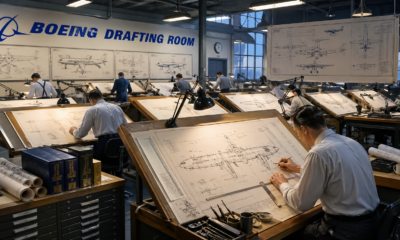
Boeing drafting room history, design process, and modern evolution

Major Trends in Technology Togtechify Shaping Future Innovation

Does amazon hire felons: hiring policy explained now
-
 Business1 month ago
Boeing drafting room history, design process, and modern evolution
-
 Tech1 month ago
Major Trends in Technology Togtechify Shaping Future Innovation
-
 Business1 month ago
Does amazon hire felons: hiring policy explained now
-

 Tech1 month ago
switch off torch: easy steps to turn off flashlight on phone
-

 Tech1 month ago
Kellogg Innovation Network: Global Leadership and Impact Hub
-

 Blog1 month ago
Champions house wrexham community hub growth impact
-

 Education1 month ago
what are learner differences and how they affect learning
-

 Tech1 month ago
Adaptive network control for dynamic intelligent network systems