
Blog
tracqueur Explained: Smart Tracking Solutions for Modern Use Now!

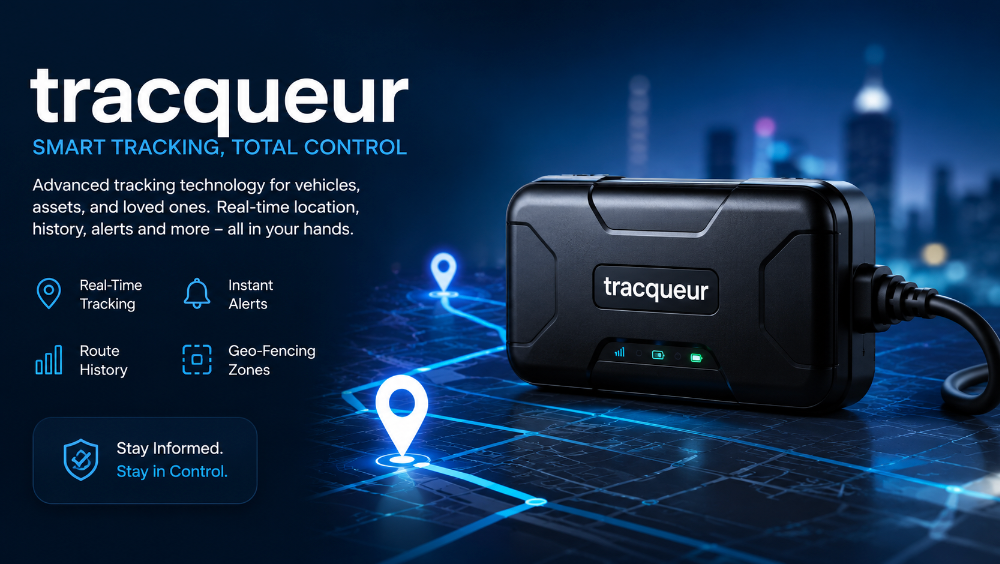
The word tracqueur has gained increasing attention in recent years because of its connection to technology, tracking systems, security, and personal monitoring tools. Many people encounter the term while searching for GPS devices, vehicle monitoring systems, fitness trackers, or digital surveillance tools. Although the meaning can vary depending on the context, tracqueur generally refers to a tracking device or tracking system designed to monitor movement, location, or activity. As modern life becomes more connected through digital technology, the demand for tracqueur solutions continues to grow in industries such as transportation, logistics, healthcare, and personal safety. Understanding how a tracqueur works can help consumers and businesses make informed decisions about security, efficiency, and data management. This article explores the meaning, applications, benefits, challenges, and future potential of tracqueur technology in a detailed and easy-to-understand way.
What Is a tracqueur?
A tracqueur is commonly understood as a device or software system used to track the position, movement, or activity of a person, object, or vehicle. The term is often associated with GPS tracking systems that provide real-time location information through satellites and internet-connected devices. In modern usage, a tracqueur may also include wearable technology, mobile applications, or digital monitoring systems designed for different purposes. Businesses and individuals rely on tracqueur solutions for convenience, security, and operational efficiency. The technology behind these systems has evolved significantly, making them more accurate and accessible than ever before.
The Basic Function of a tracqueur
The primary role of a tracqueur is to collect and transmit location or activity data. Most systems rely on GPS technology combined with wireless communication networks to send information to users in real time. This process allows people to monitor movement through mobile apps, computers, or dedicated software dashboards. Some advanced tracqueur systems can also provide speed tracking, route history, geofencing alerts, and emergency notifications. These additional features improve usability across different industries and personal applications.
Common Types of tracqueur Devices
There are several types of tracqueur systems available today, each designed for specific needs and situations. Some are compact wearable devices, while others are installed permanently in vehicles or machinery. The growing demand for tracking solutions has encouraged manufacturers to create specialized devices with advanced capabilities.
Popular examples include:
- Vehicle GPS tracking devices
- Fitness and health trackers
- Child safety tracking devices
- Pet tracking systems
- Fleet management solutions
- Asset tracking equipment for businesses
Each type of tracqueur serves a different purpose, but all focus on collecting accurate tracking information and improving monitoring capabilities.
The History and Evolution of tracqueur Technology
The development of tracqueur systems is closely linked to the advancement of satellite navigation and wireless communication technology. Early tracking systems were mainly used for military navigation and scientific research. Over time, these technologies became commercially available, allowing businesses and consumers to benefit from more affordable tracking solutions. The miniaturization of electronic components also played a major role in making tracqueur devices portable and practical.
Early Tracking Systems
In the early days, tracking systems were large, expensive, and limited to government or military organizations. GPS satellites were originally developed for defense purposes and later opened for civilian use. As technology improved, tracking devices became smaller and more reliable. Businesses in transportation and shipping industries quickly adopted tracqueur systems to monitor deliveries and manage logistics operations more efficiently.
Modern tracqueur Innovations
Modern tracqueur systems are much more advanced than their earlier versions. Many devices now include artificial intelligence, cloud storage, and mobile app integration. These features allow users to receive instant updates, analyze historical data, and automate certain tracking functions. Battery efficiency has also improved significantly, making portable tracqueur devices more convenient for everyday use. Today, even smartwatches and smartphones can function as tracking tools with highly accurate positioning capabilities.
How tracqueur Systems Work
Understanding the technology behind a tracqueur can help users appreciate its practical value. Most systems operate through a combination of hardware, software, and communication networks. These elements work together to collect, process, and display tracking information in real time.
GPS and Satellite Communication
A tracqueur typically uses GPS satellites to determine its precise location. GPS receivers inside the device communicate with multiple satellites orbiting the Earth. By calculating the distance between the device and satellites, the system identifies the exact coordinates of the tracqueur. This information is then sent through mobile networks or internet connections to a monitoring platform.
Data Transmission and Monitoring
After collecting location information, the tracqueur sends data to servers or cloud-based systems. Users can access this information through dedicated applications or websites. Some systems update location data every few seconds, while others operate at longer intervals to conserve battery life. Real-time monitoring is especially useful for transportation companies, parents, and emergency response teams.
Additional Features in Advanced tracqueur Systems
Modern tracqueur devices often include features beyond simple location tracking. These tools improve functionality and user experience in various environments.
Advanced features may include:
- Real-time movement alerts
- Route playback history
- Geofencing notifications
- SOS emergency buttons
- Speed monitoring
- Remote device management
- Activity and fitness tracking
These features make tracqueur systems suitable for both personal and professional use.
Benefits of Using a tracqueur
The popularity of tracqueur technology continues to rise because of its many practical advantages. From personal safety to business management, tracking systems offer valuable solutions for different situations. Understanding these benefits can help users decide whether a tracqueur is right for their needs.
Improved Security and Safety
One of the most important advantages of a tracqueur is enhanced security. Vehicle owners can monitor their cars in case of theft, while parents can track the location of children for added peace of mind. Businesses can protect expensive equipment and monitor deliveries more effectively. In emergencies, a tracqueur can help responders locate individuals quickly and accurately.
Better Business Efficiency
Companies use tracqueur systems to optimize operations and reduce unnecessary costs. Fleet managers can monitor driver behavior, improve route planning, and reduce fuel consumption. Delivery companies use tracking data to provide accurate arrival times and improve customer satisfaction. By analyzing movement patterns, businesses can identify inefficiencies and improve productivity.
Convenience in Everyday Life
A tracqueur can also simplify daily routines for individuals. Fitness trackers help users monitor physical activity and health goals. Pet owners can quickly locate animals that wander away from home. Travelers use portable tracking devices to monitor luggage and personal belongings. These practical applications demonstrate the versatility of tracqueur technology.
Challenges and Privacy Concerns
Despite the advantages, tracqueur systems also raise important concerns about privacy, data protection, and ethical use. As tracking technology becomes more widespread, users and governments continue to debate how much monitoring is acceptable.
Privacy Issues
Many people worry about unauthorized tracking or misuse of personal data. If a tracqueur system is hacked or accessed without permission, sensitive location information may be exposed. Some employers and organizations face criticism for excessive monitoring of workers or customers. These concerns highlight the importance of clear regulations and responsible usage.
Data Security Risks
Because tracqueur systems rely on internet connectivity, they can become targets for cyberattacks. Weak passwords or outdated software may allow hackers to gain access to tracking information. Manufacturers must invest in strong encryption and secure data storage practices to protect users from potential risks.
Legal and Ethical Considerations
Different countries have different laws regarding tracking and surveillance. In some places, using a tracqueur without consent may be illegal. Ethical concerns also arise when tracking technology is used excessively or without transparency. Users should always understand local laws and use tracqueur systems responsibly.
Industries That Depend on tracqueur Technology
Many industries now rely heavily on tracqueur systems to improve operations and safety. Tracking technology has become a critical tool for logistics, healthcare, transportation, and even sports.
Transportation and Logistics
Transportation companies use tracqueur systems to monitor vehicles, shipments, and delivery routes. Real-time tracking improves communication between drivers and dispatch centers. Customers also benefit by receiving accurate delivery updates and estimated arrival times.
Healthcare and Emergency Services
Healthcare providers use tracqueur devices to monitor patients, especially elderly individuals or people with medical conditions. Emergency services rely on location tracking to respond quickly during accidents or disasters. These systems can save lives by reducing response times and improving coordination.
Sports and Fitness
Athletes and fitness enthusiasts use wearable tracqueur devices to monitor performance metrics such as distance, speed, and heart rate. Coaches analyze tracking data to improve training strategies and reduce injury risks. This technology has transformed how professional and amateur athletes approach performance improvement.
The Future of tracqueur Technology
The future of tracqueur systems looks highly promising as technological innovation continues to accelerate. Artificial intelligence, machine learning, and faster communication networks are expected to improve tracking accuracy and functionality even further. As smart cities and connected devices become more common, tracqueur technology will likely become integrated into many aspects of daily life.
Artificial Intelligence Integration
AI-powered tracqueur systems can analyze movement patterns and predict future behavior. For example, logistics companies may use predictive tracking to anticipate delays before they occur. Smart systems could also improve personal safety by identifying unusual activity patterns and sending automatic alerts.
Expansion of Internet of Things (IoT)
The Internet of Things is creating a world where devices constantly communicate with each other. A tracqueur connected to IoT networks can interact with vehicles, smartphones, home security systems, and wearable devices. This interconnected environment may lead to smarter transportation systems and more efficient urban planning.
Increased Accessibility
As production costs decrease, tracqueur technology is becoming more affordable for everyday consumers. Small businesses and individuals now have access to tools that were once available only to large corporations. This trend is expected to continue, making tracking technology more widespread across the world.
Conclusion
The growing importance of tracqueur technology reflects society’s increasing reliance on digital connectivity and real-time information. From personal safety and fitness tracking to logistics management and healthcare monitoring, tracqueur systems provide practical solutions for many modern challenges. These devices have evolved from simple GPS trackers into sophisticated tools capable of collecting and analyzing large amounts of data. While the benefits are significant, users must also consider privacy, security, and ethical concerns associated with tracking technology. Responsible use, strong data protection measures, and clear legal regulations are essential for maintaining trust in these systems. As innovation continues, tracqueur technology will likely become even more integrated into daily life, offering new opportunities for efficiency, safety, and convenience.
FAQs About tracqueur
1. What does tracqueur mean?
A tracqueur generally refers to a tracking device or system used to monitor location, movement, or activity through GPS and communication technology.
2. How does a tracqueur work?
A tracqueur uses GPS satellites and wireless networks to collect location data and send it to a monitoring platform or application for real-time viewing.
3. Is using a tracqueur legal?
The legality of using a tracqueur depends on local laws and how the device is used. Tracking someone without consent may be illegal in certain regions.
4. Can a tracqueur improve business operations?
Yes, businesses use tracqueur systems to manage fleets, monitor deliveries, optimize routes, reduce costs, and improve customer service.
5. What is the future of tracqueur technology?
The future of tracqueur technology includes artificial intelligence integration, smarter IoT connectivity, improved accuracy, and greater accessibility for consumers and businesses.

Introduction
The internet is filled with websites promising quick solutions, useful tools, and valuable resources. Among them, quick10sec com has attracted attention from users looking for fast information and convenient online services. Whether someone discovers the website through search engines, social media, or recommendations, it’s natural to wonder what it offers and whether it’s worth visiting.
Understanding a website before using it is always a smart approach. A few minutes of research can help users make informed decisions, protect their privacy, and maximize the value they receive online. That’s especially true for platforms that gain popularity through word of mouth rather than widespread advertising.
This guide explores quick10sec com from every angle. You’ll learn about its purpose, possible features, user experience, safety considerations, advantages, limitations, and practical tips for making the most of any online platform. By the end, you’ll have a clear understanding of what to expect and how to evaluate similar websites with confidence.
What Is Quick10sec com?
At its core, quick10sec com appears to be an online platform designed to provide quick access to digital content or web-based services. Like many modern websites, its primary appeal lies in speed, convenience, and accessibility.
Today’s internet users expect immediate results. They don’t want complicated interfaces or lengthy registration processes. Instead, they look for websites that deliver information or functionality within seconds. That’s where platforms like quick10sec com fit into the modern browsing experience.
Rather than overwhelming visitors with unnecessary features, many lightweight websites focus on simplicity. Clean navigation, fast-loading pages, and straightforward functionality often create a better overall user experience than overly complex alternatives.
The exact services offered may evolve over time, which is common for digital platforms. Websites frequently update their content, redesign their interfaces, or introduce new tools to better serve visitors and remain competitive.
Why Quick10sec com Is Gaining Attention
Speed Meets Convenience
Modern internet users value speed above almost everything else. Waiting for slow websites feels frustrating, especially when information should be available instantly.
Quick10sec com appeals to this expectation by emphasizing quick access and simplified navigation. Instead of making users click through multiple pages, websites following this philosophy aim to reduce unnecessary steps.
Imagine walking into a well-organized grocery store instead of a cluttered warehouse. You immediately know where everything is, saving both time and effort. That’s the same principle behind efficient website design.
Fast experiences also improve satisfaction. Visitors are far more likely to return to websites that respect their time.
User-Friendly Design
Another reason websites become popular is usability.
People from different backgrounds use the internet every day. Some are highly technical, while others simply want straightforward information without a learning curve. A clean layout helps bridge that gap.
When menus are intuitive, pages load quickly, and important information is easy to locate, users naturally feel more comfortable exploring the site.
This positive first impression often influences whether visitors stay for several minutes or leave after only a few seconds.
Features Users Often Expect from Quick10sec com
Simple Navigation
Good websites guide visitors naturally.
Instead of forcing users to guess where information is located, organized navigation creates a logical flow. Clear headings, readable fonts, and responsive design improve the browsing experience considerably.
Users appreciate websites where every click has a purpose rather than leading them through unnecessary pages.
Mobile Compatibility
Today, most internet traffic comes from smartphones.
Responsive websites automatically adjust to different screen sizes, making them comfortable to browse whether someone is using a desktop computer, tablet, or mobile phone.
This flexibility improves accessibility and ensures visitors enjoy a consistent experience across multiple devices.
Fast Loading Performance
Website speed affects more than convenience.
Search engines reward faster websites because they provide a better experience for users. Even a delay of one or two seconds can increase bounce rates and reduce visitor satisfaction.
Quick-loading pages encourage exploration and help users complete their tasks without interruptions.
Accessible Information
Many visitors simply want answers.
Whether they’re looking for guides, tools, resources, or other online content, organized information saves valuable time. Easy-to-read formatting, concise explanations, and logical organization all contribute to a positive browsing experience.
How Quick10sec com Fits Into Today’s Digital Landscape
The internet has changed dramatically over the past decade.
Years ago, websites often prioritized flashy graphics over usability. Today, successful platforms focus on speed, accessibility, and user-centered design.
Consumers have become more selective. If one website feels confusing, dozens of alternatives are only a click away.
Platforms that emphasize simplicity often perform better because they remove friction from the browsing experience. This philosophy aligns closely with changing user expectations.
Businesses have also realized that convenience builds trust. Visitors tend to return to websites where information is easy to find and tasks can be completed efficiently.
Benefits of Using Quick10sec com
Saves Valuable Time
Time is one of our most limited resources.
Nobody enjoys searching through endless pages for basic information. Efficient websites reduce unnecessary navigation and help users reach their goals faster.
Small time savings add up over weeks and months, making streamlined platforms particularly appealing.
Easy Learning Curve
Complicated interfaces discourage users.
When websites are intuitive, visitors can immediately begin exploring without reading lengthy instructions or tutorials. This improves satisfaction while reducing frustration.
Simple experiences often create stronger long-term engagement.
Accessible Across Devices
Whether someone uses a smartphone during a commute or a desktop at work, accessibility matters.
Modern websites that adapt seamlessly across devices create greater convenience for users with different browsing habits.
Consistency also builds confidence because visitors know what to expect regardless of their device.
Encourages Efficient Browsing
Many users appreciate websites that focus on essentials rather than distractions.
Cleaner layouts make reading easier and help visitors concentrate on the information they’re seeking instead of navigating unnecessary advertisements or cluttered menus.
Is Quick10sec com Safe to Use?
Safety remains one of the biggest concerns when visiting any unfamiliar website.
Before entering personal information, creating accounts, or downloading files, users should always evaluate a website carefully.
Checking for HTTPS encryption is a good starting point. Secure websites encrypt communication between browsers and servers, helping protect user data during transmission.
It’s also wise to review privacy policies, understand what information is collected, and avoid sharing sensitive details unless absolutely necessary.
Another practical habit involves keeping browsers and security software updated. Even trustworthy websites benefit from visitors using modern cybersecurity practices.
Ultimately, responsible browsing depends on both website operators and users themselves.
Best Practices When Visiting Websites Like Quick10sec com
Good internet habits improve every online experience.
Begin by verifying website addresses carefully. Cybercriminals sometimes create similar-looking domains designed to trick users into visiting fake websites.
Avoid downloading unknown files unless they’re from trusted sources. Even legitimate websites occasionally experience security incidents.
Regularly clearing browser cache and cookies can also improve performance while maintaining privacy.
Finally, use strong passwords whenever account creation becomes necessary. Password managers make this much easier while improving overall security.
Understanding User Experience on Quick10sec com
User experience goes beyond attractive design.
Every interaction influences how visitors perceive a website. Loading speed, navigation, readability, accessibility, and responsiveness all contribute to the overall impression.
Think of visiting a well-organized library. Books are categorized logically, signs are clear, and finding information feels effortless. Good websites create a similar experience.
Positive user experiences encourage repeat visits because people naturally return to services that save time and reduce frustration.
Consistency also matters. Predictable navigation allows visitors to develop familiarity, making future visits even more efficient.
SEO and Online Visibility
Search engines increasingly reward websites that prioritize users.
High-quality content, fast loading times, mobile responsiveness, secure connections, and intuitive navigation all contribute to stronger search performance.
Websites aiming for long-term success focus on providing genuine value rather than attempting to manipulate rankings.
Content should answer real questions, explain topics clearly, and maintain originality throughout.
Search algorithms continue evolving, but one principle remains constant: websites serving users effectively tend to perform better over time.
Common Misconceptions About Quick10sec com
Like many growing websites, misunderstandings can spread quickly online.
Some users assume every unfamiliar website is risky simply because they haven’t heard of it before. Others expect every platform to provide identical features regardless of its intended purpose.
Neither assumption is accurate.
Every website should be evaluated individually using objective criteria such as security, transparency, usability, and overall reputation.
Another misconception involves expecting perfection. Even well-designed platforms occasionally undergo updates, maintenance periods, or interface improvements.
Evaluating websites fairly requires balancing strengths with potential limitations.
Practical Tips for Getting the Most Value
Successful internet users approach websites thoughtfully.
Spend a few moments exploring navigation before jumping into deeper content. Familiarity often reveals useful sections that might otherwise go unnoticed.
Bookmark valuable pages for future reference instead of repeating searches later.
Stay informed about updates whenever a website introduces new functionality or improves existing features.
Most importantly, combine convenience with caution. Fast access should never replace responsible browsing practices.
By following these habits, users maximize efficiency while minimizing unnecessary risks.
The Future of Platforms Like Quick10sec com
Digital expectations continue evolving rapidly.
Artificial intelligence, personalized experiences, improved accessibility, and faster web technologies are reshaping how websites operate.
Users increasingly expect instant responses, mobile optimization, and seamless navigation across devices.
Platforms that continue improving speed, usability, and reliability are likely to remain competitive in this changing environment.
As technology advances, websites emphasizing simplicity without sacrificing quality will continue attracting users seeking efficient online experiences.
Conclusion
Quick10sec com represents the growing demand for faster, simpler, and more convenient online experiences. Modern internet users value efficiency, intuitive navigation, and accessible information, making streamlined platforms increasingly relevant in today’s digital landscape.
While every website should be evaluated carefully for security, privacy, and overall reliability, following good browsing practices helps users enjoy safer online experiences regardless of where they browse. Looking for HTTPS encryption, avoiding unnecessary downloads, and protecting personal information remain essential habits.
As the web continues evolving, convenience and usability will become even more important. Platforms that focus on delivering value quickly while maintaining user trust are well-positioned for long-term success. Whether you’re exploring quick10sec com for the first time or simply researching it before visiting, taking an informed approach ensures you gain the greatest benefit while staying safe online.
Frequently Asked Questions
1. What is quick10sec com?
Quick10sec com is an online platform that has gained attention for offering quick access to digital content or web-based resources. Its exact offerings may evolve over time as the website develops.
2. Is quick10sec com safe to use?
Users should evaluate any website carefully by checking for HTTPS encryption, reviewing privacy policies, and avoiding sharing sensitive personal information unless necessary.
3. Can I access quick10sec com on mobile devices?
Most modern websites are designed with responsive layouts, allowing users to browse comfortably on smartphones, tablets, and desktop computers.
4. Why do people search for quick10sec com?
People are generally interested in learning about the website’s purpose, available features, usability, reliability, and overall user experience before visiting.
5. How can I browse websites like quick10sec com safely?
Use updated browsers, verify website addresses, avoid suspicious downloads, enable security software, and use strong passwords whenever accounts are required.

The financial world moves quickly, and staying informed has become more important than ever. Investors, financial advisors, asset managers, and even beginners need trustworthy information before making decisions that could affect their portfolios. That’s where fundfireinsight.com enters the conversation. A platform focused on delivering financial insights can help users better understand market movements, industry trends, and investment opportunities.
Financial information isn’t simply about numbers anymore. It’s about interpreting those numbers in the right context. Markets react to economic events, policy changes, investor sentiment, and global developments almost instantly. Reliable research and timely analysis can bridge the gap between confusion and confidence.
Whether you’re an experienced investor looking for institutional insights or someone beginning to explore personal finance, understanding how financial intelligence platforms work can significantly improve decision-making. This guide explores the value of fundfireinsight.com, explains why market intelligence matters, and highlights best practices for using financial information wisely.
What Is FundFireInsight.com?
At its core, fundfireinsight.com represents the growing demand for high-quality financial information and investment intelligence. Rather than relying solely on headlines or social media opinions, today’s investors increasingly seek platforms that organize complex market data into meaningful insights.
Financial insight platforms generally focus on topics such as market performance, investment strategies, mutual funds, ETFs, wealth management, institutional investing, and economic trends. Instead of overwhelming readers with raw data, they aim to explain what those developments actually mean for investors.
Think of financial information like a weather forecast. Knowing it’s going to rain is helpful, but understanding when, where, and how intensely it will rain helps people prepare. Similarly, financial insight platforms don’t simply report market movements—they help explain why those movements matter.
This approach allows readers to spend less time searching for scattered information and more time making informed decisions.
Why Financial Intelligence Matters More Than Ever
Today’s financial markets operate around the clock. News from one country can influence stock prices worldwide within minutes. Interest rate decisions, inflation reports, corporate earnings, and geopolitical events all create ripple effects across global markets.
Without reliable information, investors often make emotional decisions driven by fear or excitement. Unfortunately, emotional investing frequently leads to poor outcomes.
Financial intelligence provides context. Instead of reacting impulsively, investors can evaluate trends, compare historical performance, and understand potential risks before acting.
For example, imagine two investors during a market downturn. One panics after reading alarming headlines and sells everything. The other studies broader market analysis, recognizes that similar corrections have happened before, and maintains a long-term strategy. Over time, the second investor often benefits from patience and informed decision-making.
That illustrates why access to quality research remains so valuable.
How FundFireInsight.com Helps Investors Understand Markets
Delivering Timely Market Analysis
One of the greatest strengths of any financial information platform is speed combined with accuracy. Markets evolve continuously, meaning outdated information quickly loses value.
By monitoring current developments, investment trends, and economic indicators, fundfireinsight.com can help readers stay informed about changes affecting their portfolios. Timely reporting allows investors to identify opportunities while remaining aware of emerging risks.
Instead of consuming dozens of unrelated news sources, readers gain access to organized information that focuses on topics relevant to investing.
Explaining Complex Financial Concepts
Financial terminology often intimidates beginners. Terms like asset allocation, diversification, inflation-adjusted returns, fixed-income securities, and portfolio optimization can sound overwhelming at first.
Good financial journalism simplifies these concepts without sacrificing accuracy.
Imagine learning to drive. Reading a car manual alone won’t make someone a confident driver. However, practical explanations combined with real-world examples make learning much easier. Financial education works the same way.
Clear explanations empower readers to understand not just what happened, but why it happened.
Covering Industry Trends
Investment strategies constantly evolve. Technology changes markets, regulations shift priorities, and investor preferences continue adapting.
Insight platforms help readers recognize emerging themes such as:
- Sustainable investing
- Artificial intelligence in finance
- Digital assets
- Retirement planning innovations
- Wealth management strategies
Understanding these trends enables investors to prepare for future opportunities instead of merely reacting after changes occur.
The Importance of Reliable Financial Research
Information overload has become a serious challenge. Every day, thousands of articles, videos, and opinions compete for attention online.
Not all information carries equal value.
Reliable financial research generally emphasizes evidence over speculation. It examines historical data, corporate reports, economic indicators, and expert analysis before drawing conclusions.
This disciplined approach reduces misinformation and encourages objective decision-making.
Consider a company announcing record quarterly earnings. While headlines may celebrate the achievement, deeper research could reveal slowing revenue growth, declining margins, or rising debt. Comprehensive analysis helps investors see beyond surface-level news.
That extra layer of understanding often separates successful investing from costly mistakes.
Who Can Benefit from FundFireInsight.com?
Individual Investors
Retail investors increasingly manage their own portfolios through online brokerage platforms. While investing has become easier, choosing the right investments remains challenging.
Access to thoughtful analysis helps individuals understand sectors, evaluate risks, and compare investment opportunities with greater confidence.
Financial Advisors
Advisors need current information to serve clients effectively.
Market updates, economic commentary, regulatory developments, and investment research support better client conversations while strengthening professional recommendations.
Reliable insights also help advisors communicate complicated market events in language clients understand.
Institutional Investors
Large investment firms manage billions of dollars across multiple asset classes.
Although institutional investors often possess internal research teams, external market intelligence provides additional perspectives that support strategic decision-making.
Independent analysis helps challenge assumptions and identify overlooked opportunities.
Students and Finance Professionals
Students pursuing careers in finance benefit greatly from following financial publications regularly.
Learning how professionals analyze markets, interpret economic indicators, and evaluate investment performance develops practical knowledge beyond textbooks.
Consistent reading builds financial literacy over time.
Understanding Investment Trends Through Market Insights
Financial markets rarely move randomly for extended periods. Broader economic forces typically influence long-term trends.
For example, rising interest rates often affect technology stocks differently than utility companies. Inflation influences consumer behavior, corporate profitability, and government policy simultaneously.
Platforms like fundfireinsight.com help readers connect these larger economic developments to investment performance.
Instead of viewing each news story independently, investors begin recognizing patterns.
Over months and years, this perspective becomes increasingly valuable.
Experienced investors often succeed not because they predict every market movement correctly, but because they understand long-term trends better than short-term noise.
The Role of Data in Better Investment Decisions
Modern investing depends heavily on data.
Corporate earnings, valuation ratios, economic growth, employment figures, inflation reports, and consumer spending all contribute pieces of a much larger puzzle.
Numbers alone, however, rarely tell the complete story.
Context transforms data into actionable information.
Imagine seeing that Company A increased revenue by 20 percent. At first glance, that seems impressive. Yet if industry competitors grew by 35 percent during the same period, the company’s relative performance appears less remarkable.
Quality financial analysis combines quantitative metrics with qualitative insights.
This balanced approach supports better investment decisions while reducing reliance on speculation.
Avoiding Common Investment Mistakes
One recurring lesson across investing history is that emotions often create unnecessary losses.
Fear encourages investors to sell during market declines.
Greed encourages buying after prices have already surged.
Reliable market analysis encourages discipline instead of emotional reactions.
Successful investing typically involves patience, diversification, realistic expectations, and continuous learning.
Financial information platforms support this mindset by emphasizing evidence rather than sensational headlines.
Investors who consistently educate themselves generally develop stronger long-term habits than those who rely solely on social media rumors or market gossip.
A Real-World Example of Smarter Decision-Making
Imagine Sarah, a first-time investor building her retirement portfolio.
Initially, she followed trending investment discussions online. Every week brought a different “must-buy” stock. Her portfolio became inconsistent and unpredictable.
Eventually, she began reading structured market analysis from trusted financial resources. Instead of chasing hype, she learned about diversification, risk management, sector allocation, and long-term investing.
Within a year, Sarah stopped making impulsive trades.
Her portfolio became more balanced, transaction costs declined, and her confidence increased dramatically.
While no investment strategy guarantees profits, informed decisions consistently outperform emotional reactions over the long run.
This example illustrates the practical value of financial education.
Why Financial Education Remains a Lifelong Journey
Markets continue changing because economies continue evolving.
New technologies emerge.
Governments introduce regulations.
Consumer preferences shift.
Global events reshape industries.
No investor ever reaches a point where learning becomes unnecessary.
The most successful professionals remain curious throughout their careers.
Reading market commentary, understanding economic reports, following industry developments, and evaluating investment performance all contribute to continuous improvement.
Financial literacy isn’t a destination—it’s an ongoing process.
Every article read, every trend analyzed, and every lesson learned builds stronger investment judgment.
Best Practices for Using Financial Insight Platforms
Readers gain the greatest value when they approach financial information thoughtfully rather than passively.
First, compare multiple viewpoints before making significant investment decisions. Different analysts may interpret the same information differently, and considering diverse perspectives encourages balanced thinking.
Second, focus on long-term trends instead of reacting to every daily headline. Markets naturally fluctuate, but enduring strategies often outperform constant trading.
Finally, combine financial research with personal goals. Every investor has unique objectives, risk tolerance, and time horizons. Information becomes truly valuable only when applied within an individual’s broader financial plan.
Using research responsibly transforms information into practical decision-making.
The Future of Digital Financial Intelligence
Technology continues reshaping how investors consume information.
Artificial intelligence, advanced analytics, interactive dashboards, and personalized reporting increasingly help readers understand complex financial topics faster than ever before.
Meanwhile, investors expect more than simple news updates. They want context, expert interpretation, predictive analysis, and educational resources all in one place.
Platforms dedicated to financial intelligence are likely to continue evolving by integrating richer data visualization, customized insights, and faster market reporting.
As financial markets become increasingly interconnected, the importance of trusted information sources will only continue growing.
Conclusion
Financial success depends on informed decisions rather than guesswork. Reliable information, thoughtful analysis, and continuous education provide investors with a meaningful advantage in increasingly complex markets. Whether someone is managing a retirement portfolio, researching investment opportunities, or simply improving financial literacy, access to quality insights makes decision-making more confident and disciplined.
Throughout this guide, we’ve explored how fundfireinsight.com reflects the growing importance of financial intelligence, market research, and investment education. By understanding market trends, interpreting economic developments, and relying on evidence instead of emotion, investors position themselves for smarter long-term choices.
The financial world will continue changing, but one principle remains constant: knowledge is one of the most valuable investments anyone can make. Stay curious, evaluate information carefully, diversify wisely, and continue learning as markets evolve. Those habits create stronger financial foundations that can benefit investors for years to come.
Frequently Asked Questions
1. What is fundfireinsight.com?
Fundfireinsight.com is associated with financial insights and investment-related information, helping readers better understand market developments, industry trends, and investment topics.
2. Who should use fundfireinsight.com?
The platform can be valuable for individual investors, financial advisors, wealth managers, finance students, researchers, and professionals interested in market intelligence.
3. Why are financial insight platforms important?
They provide context behind market movements, helping investors make informed decisions instead of reacting emotionally to short-term news or speculation.
4. Can beginners benefit from financial market insights?
Yes. Beginners can improve financial literacy by learning investment concepts, understanding market behavior, and developing disciplined investing habits through reliable educational content.
5. How can investors make better financial decisions?
Investors should combine trustworthy research, diversification, long-term planning, continuous learning, and regular portfolio reviews while avoiding emotionally driven decisions.

Rosboxar is one of those terms that has quietly begun to surface across digital conversations, technology forums, and innovation discussions at a surprising pace. Whether you first encountered it in the context of productivity tools, modular platforms, or creative branding, the word tends to leave people curious about what it really means and why it keeps appearing. What makes rosboxar particularly interesting is that it sits at the intersection of adaptability and purpose, functioning differently depending on the community using it. Some associate it with workflow automation and business efficiency, while others see it through the lens of cultural identity, linguistic evolution, or emerging technology frameworks. This guide takes a thorough look at rosboxar from multiple angles, breaking down its origins, real-world applications, and why understanding it matters in today’s fast-moving digital environment.
What Is Rosboxar and Where Does It Come From
The name rosboxar does not appear in any traditional dictionary, and that fact alone says something important about its nature. It belongs to a growing class of modern digital terms that are created specifically to be distinctive, flexible, and open to interpretation depending on context. The prefix “ros” has been linked by some researchers and branding experts to concepts of robotic systems, automated intelligence, or even to cultural roots suggesting growth and renewal. The suffix “boxar,” on the other hand, implies a structured collection of components, modules, or versatile units that can be configured in different ways. When you put them together, rosboxar begins to emerge as something that describes a system, framework, or platform built for adaptability.
Linguistic Roots and Cultural Interpretations
Language evolves constantly, and rosboxar is a product of that evolution happening at digital speed. Some cultural analysts have noted that the term carries themes of resilience and transformation, much like many words that have survived through oral traditions before finding their way into written form. Across different online communities, rosboxar has been interpreted through the lenses of journey, collective effort, and the overcoming of challenges. This openness in meaning is not a weakness but a strength, because it allows the term to be adopted and shaped by whichever community finds it most useful. It is precisely this flexibility that has helped rosboxar gain traction without being confined to a single narrow definition.
Why New Terms Like Rosboxar Emerge Online
The digital world is producing new identifiers at a faster rate than ever before, primarily because millions of existing names, brands, and keywords are already saturated. Businesses, developers, and creators searching for something original, memorable, and easy to claim across multiple platforms are increasingly turning to invented or hybrid terms. Rosboxar fits this pattern well because it is distinctive enough to stand out in search results while being phonetically natural enough to stick in memory. In branding, a term that sounds both modern and slightly unfamiliar often carries more weight than one that blends into a crowded field. As digital namespacing becomes increasingly competitive, terms like rosboxar will likely become more common rather than less.
Rosboxar as a Modular Innovation Platform
One of the most well-developed uses of rosboxar in recent months has been as the name of a modular innovation platform designed for businesses and creators. In this context, rosboxar describes a system built on three foundational pillars: modular flexibility, AI-driven intelligence, and sustainable innovation. These are not just buzzwords but practical design choices that shape how the platform operates and who it serves.
How the Modular Design Works
At its core, the modular approach behind rosboxar means that users are not forced into a rigid, one-size-fits-all solution. Instead, they can select, combine, and configure different components to match their specific needs, whether they are running a small creative team or managing operations across hundreds of employees. This is a significant departure from the way many legacy software systems were built, where adding a new feature often meant rebuilding large portions of the existing architecture. The adaptability of rosboxar’s modular design means that scaling up or changing direction does not require starting over from scratch. It is a practical answer to one of the most persistent frustrations that growing organizations face.
Artificial Intelligence Integration in Rosboxar
The AI-driven layer within rosboxar is designed to move beyond simple automation and into what could be described as context-aware intelligence. Rather than just completing repetitive tasks on a schedule, the system is built to understand user intent, recognize patterns in workflow data, and surface suggestions that genuinely improve decision-making. This makes rosboxar particularly valuable in environments where large volumes of information need to be processed and acted upon quickly. The platform learns from usage over time, which means its usefulness tends to increase rather than plateau as teams spend more time working within it. For organizations dealing with complex, multi-step processes, this kind of adaptive intelligence is not a luxury but a competitive necessity.
Sustainability as a Core Principle
What separates rosboxar from many platforms that simply talk about innovation is a genuine commitment to sustainable design. This means building systems that are energy-efficient, reducing technological waste by extending the lifespan of existing tools through integration rather than replacement, and creating frameworks that can adapt to future requirements without needing to be discarded entirely. This philosophy is gaining serious attention as organizations become more conscious of the environmental and economic costs associated with constant platform migrations. Rosboxar positions itself as a long-term investment rather than a short-term fix, which is a meaningful distinction for any organization planning beyond the next quarter.
Rosboxar as a Business Productivity and Workflow Tool
Another prominent application of rosboxar is as a productivity platform that addresses one of the most persistent problems in modern workplaces: tool fragmentation. Studies have shown that the average employee switches between applications many times per hour, and each of those transitions represents a small but real interruption in focus and momentum. Over the course of a week, those interruptions add up to a significant loss in productive output, often estimated at around twenty percent of total work capacity. Rosboxar approaches this problem not by asking teams to abandon the tools they already use, but by creating a unified interface where all those tools can operate in coordination.
Key Features That Define the Rosboxar Experience
Several specific features help explain why rosboxar has attracted attention from businesses of all sizes:
- Centralized dashboard that brings multiple tools into one visible workspace
- Real-time synchronization between connected applications to eliminate information gaps
- Workflow automation that reduces manual coordination steps
- Analytics and reporting that surface insights without requiring separate data exports
- Scalable pricing based on the specific modules a team actually uses
- Integration with widely used platforms including project management, communication, and document tools
These features work together to create an environment where decisions happen faster and fewer things fall through the cracks. The platform is designed to serve solo users just as effectively as it serves large organizations, which broadens its potential application significantly.
Real-World Impact on Team Productivity
Teams that have adopted rosboxar for workflow management report that one of the most immediate benefits is the reduction in internal communication delays. When project updates, task completions, and status changes are automatically reflected across all connected tools, the number of follow-up messages and status meetings decreases noticeably. This does not just save time but also reduces the cognitive load on individual team members, who no longer need to maintain mental checklists of what information has been shared and what still needs to be communicated. Organizations dealing with remote or distributed teams find this particularly valuable since the coordination overhead in those environments tends to be even higher. The result is a more focused, more confident team that spends its energy on doing work rather than tracking it.
Rosboxar in Content Creation and Blogging
A third major area where rosboxar has made a meaningful appearance is in content creation, particularly for bloggers and digital writers who produce content at a regular cadence. In this application, rosboxar functions as an AI-assisted writing and strategy tool that helps creators identify relevant topics, optimize their writing for search engines, and maintain a consistent publishing schedule without burning out. The platform analyzes trends, audience behavior, and engagement data to surface suggestions that align with what readers are actively searching for. This takes a significant portion of the guesswork out of content planning, which is one of the most time-consuming parts of running a blog. Writers who use rosboxar in this way often describe the experience as having a thoughtful research partner available at any hour.
How Rosboxar Supports Writers at Every Level
One of the stated goals of rosboxar in the content creation space is accessibility. Many powerful writing and SEO tools are built with experienced professionals in mind, creating a steep learning curve for people who are just getting started. Rosboxar attempts to flatten that curve by presenting its features through an interface that guides users rather than overwhelming them. New bloggers can use it to build foundational habits around research and structure, while experienced writers can use its more advanced analytics to refine what is already working. The platform’s real-time editing suggestions help maintain quality without interrupting the natural flow of writing, which is a balance that many writers struggle to achieve on their own.
The Multidisciplinary Dimension of Rosboxar
Beyond technology and content, some research and innovation discussions have begun using rosboxar to describe a multidisciplinary approach that draws on biological science, chemical engineering, and computational intelligence together. In this framing, the concept of rosboxar represents the kind of cross-domain thinking that is increasingly necessary to solve complex problems that do not fit neatly within a single field. Whether this refers to therapeutic applications, environmental problem-solving, or industrial processes, the common thread is the integration of knowledge from multiple sources into a coherent framework for action. This broader use of the term reflects a growing recognition that the most significant challenges of our time require collaborative, boundary-crossing approaches rather than isolated expertise.
Intersection of Science, Technology, and Data
When rosboxar is applied in this broader research context, it often describes projects where data scientists, biologists, and engineers are working together on problems that would be unsolvable from any one perspective alone. The value of having a unifying term like rosboxar in these conversations is that it provides a shared reference point for teams that otherwise speak very different technical languages. Naming a framework or approach tends to give it legitimacy and momentum, making it easier to build communities of practice around it. As interdisciplinary collaboration becomes the norm rather than the exception in high-stakes fields, the role of rosboxar as a conceptual anchor is likely to grow.
Why Rosboxar Matters Now
The timing of rosboxar’s emergence is not accidental. It is appearing at a moment when the technology landscape is shifting rapidly, when organizations are rethinking how they work, and when new terms are needed to describe new realities. Whether someone uses the word to describe a platform, a framework, a concept, or an identity, they are participating in the ongoing process by which language adapts to capture what existing words cannot quite express. The fact that rosboxar can hold multiple meanings without becoming incoherent is a sign of its versatility and, in a practical sense, its staying power. Words and concepts that are adaptable tend to outlast those that are rigidly defined, especially in environments that change as quickly as the digital world does.
Conclusion
Rosboxar is a term that defies easy categorization, which is precisely what makes it worth understanding in depth. Across its different applications, it consistently represents something built for adaptability, whether that is a modular technology platform, a workflow automation tool, a content creation assistant, or a cross-disciplinary innovation framework. The name itself carries the implication of versatile components working together toward a coherent purpose, and that quality shows up in every context where rosboxar appears. As digital environments continue to evolve and the demand for distinctive, flexible, and meaningful terms continues to grow, rosboxar is well-positioned to expand both its reach and its relevance. Whether you are a business owner looking for productivity solutions, a content creator seeking better tools, or simply someone curious about where digital language is headed, rosboxar offers something genuinely worth paying attention to.
Frequently Asked Questions About Rosboxar
What exactly does rosboxar mean?
Rosboxar does not have a single fixed definition, which is part of what makes it such an adaptable term. Depending on the context, it can refer to a modular innovation platform, a workflow productivity tool, an AI-assisted content creation system, or a broader concept associated with cross-disciplinary thinking. The name combines elements that suggest automated or systematic function with the idea of modular, configurable components, making it a natural fit for any framework built around flexibility and integration.
Is rosboxar a real software platform or just a concept?
Rosboxar has been developed and described as an actual platform in multiple contexts, including as a business productivity tool that connects existing software applications into a unified workspace and as a content creation assistant built for bloggers. That said, the term is broad enough that it also functions as a conceptual identifier in discussions about innovation and interdisciplinary research. Whether you encounter rosboxar as a product or an idea depends largely on where and how you come across it.
Who would benefit most from using rosboxar?
The range of people who can benefit from rosboxar is wider than it might initially appear. Business teams struggling with fragmented tools and communication gaps will find value in its workflow integration features. Bloggers and content creators who want to produce consistent, high-quality work more efficiently will benefit from its writing and SEO assistance. Organizations exploring cutting-edge approaches to health, sustainability, or industrial challenges may also find the broader conceptual framework of rosboxar relevant to their planning and collaboration.
How does rosboxar differ from other productivity or content tools?
The key differentiator of rosboxar in any of its applications is the emphasis on modularity and integration over replacement. Rather than asking users to abandon what they already know and adopt an entirely new system from scratch, rosboxar is designed to work alongside existing tools and workflows, adding coordination and intelligence without creating major disruption. This approach reduces the friction that typically prevents new tools from gaining adoption, even when they are technically capable. Rosboxar is built to work with the reality of how teams and individuals actually operate day to day.
What is the future outlook for rosboxar?
The future of rosboxar depends heavily on how it continues to be adopted, developed, and defined by the communities that use it. Terms and platforms that offer genuine flexibility tend to grow over time as more people find ways to apply them to their own contexts. If rosboxar continues to be associated with practical solutions to real problems, whether in productivity, content creation, or interdisciplinary innovation, its recognition and usefulness will likely increase. The digital landscape consistently rewards concepts that are both original and genuinely adaptable, and rosboxar has demonstrated both of those qualities in meaningful ways.

Quick10sec com: Complete Guide to Features, Safety, and Value Hub

FundFireInsight.com: Complete Guide to Smarter Investing Today AI

RN Fundamentals 2016 70 Questions: A Complete Study Guide for Nursing Students

Boeing drafting room history, design process, and modern evolution

Major Trends in Technology Togtechify Shaping Future Innovation

Does amazon hire felons: hiring policy explained now
-
 Business2 months ago
Boeing drafting room history, design process, and modern evolution
-
 Tech2 months ago
Major Trends in Technology Togtechify Shaping Future Innovation
-
 Business2 months ago
Does amazon hire felons: hiring policy explained now
-

 Tech2 months ago
switch off torch: easy steps to turn off flashlight on phone
-

 Tech2 months ago
Kellogg Innovation Network: Global Leadership and Impact Hub
-

 Education2 months ago
what are learner differences and how they affect learning
-
 Tech2 months ago
Adaptive network control for dynamic intelligent network systems
-

 Blog2 months ago
Champions house wrexham community hub growth impact